Search
Katya García-Antón
A British and Spanish national, she graduated with a BA in biology from Bristol University, UK, specializing in primatology and ecology. She conducted field work in the Amazon forests in Brazil and in the Gola Forests in Sierra Leone, before transferring into the arts with a master’s degree in 19th- and 20th-century art history from the Courtauld Institute of Art, London. She worked as a curator at the Courtauld Institute
of Art, Museo Nacional Reina Sofía Madrid, ICA London, IKON Birmingham, and was director of the Centre d’Art Contemporain Genève. She curated the Spanish Pavilions in the Sao Paulo
Biennial 2004 and in the Venice Biennale 2011, the Nordic Pavilion in the Venice Biennale 2015 and was co-curator of the Qalandiya International Biennial 2022, in Jerusalem and Ramallah.
She has curated over 100 exhibitions of art, design and architecture; most recently she was chief curator for OCA’s ‘Actions of Art and Solidarity’ (2021) presented in Kunstnernes Hus Oslo. Her extensive publications include, most recently, being editor/co-editor (contributing with essays) of OCA’s trilogy on new Indigenous writing: Sovereign Words. Indigenous Art, Curation and Criticism (2018), Mázejoavku. Indigenous Collectivity and Art (2020) and Let the River Flow. An Indigenous Uprising and its Legacy in Art, Ecology and Politics (2020), as well as the upcoming Art and Solidarity Reader. Radical Actions, Politics and Friendships (2022). In 2021 she presented keynote lectures on decolonial and Indigenising institutional practices in The Art Institute Basel’s Master Symposium ‘Seeing into the Heart of Things. Earth and Equality within Indigenous an Ancestral Knowledges’ and with Alserkal Foundation in Dubai World Expo 2022.
In 2015 García-Antón launched a long-term focus on the North (both in terms of climate change and Sámi perspectives and how they connect) called ‘Thinking from the Edge of the World. Perspectives from the North’. She was instrumental in the creation of the Artica Svalbard Foundation, in connecting scientific and artistic practices there; OCA is a key partner in Artica’s residency and curatorial activities.
At OCA, García-Antón has generated significant Indigenising practices and programs, in particular related to Sámi art and thought, as well as facilitated greater connectivity between Sámi voices and Indigenous thinkers across the world in ground-breaking projects such as documenta14, the Sydney Biennial 2020, the 13th Gwanju Biennial 2021, amongst others. OCA is lead commissioner of the project that transforms the Nordic Pavilion into ‘The Sámi Pavilion’ at the 59th International Art Exhibition of La Biennale di Venezia, 2022. García-Antón is part of the curatorial group for ‘The Sámi Pavilion’.
In August 2022 she starts as director of the Northern Norway Art Museum (NNKM) whose headquarters are based in Tromsø, with a branch in Longyearbyen in the Svalbard Archipelago, and an upcoming branch in Bodø, near the Lofoten Archipelago.
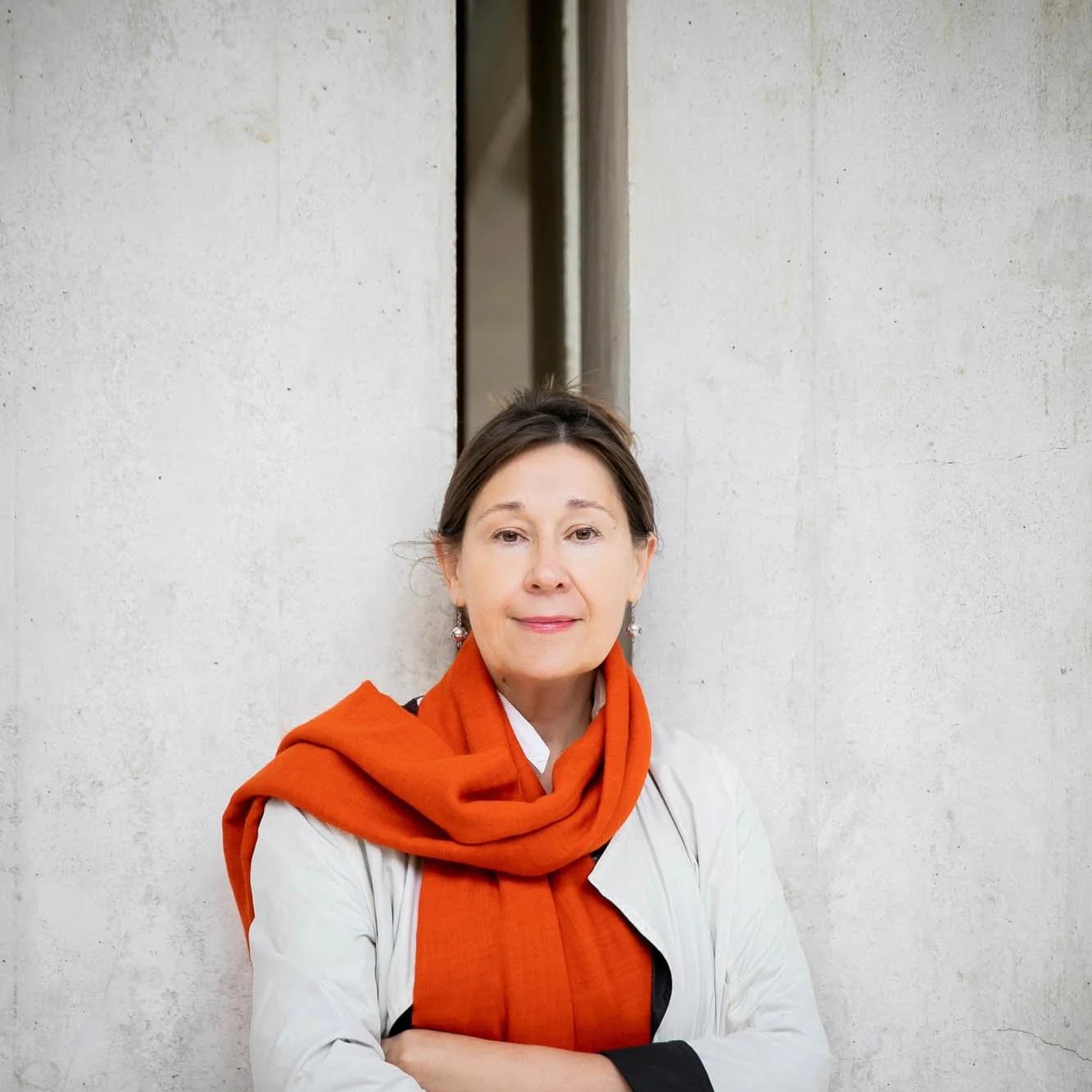
Katya García-Antón
Biography
A British and Spanish national, she graduated with a BA in biology from Bristol University, UK, specializing in primatology and ecology. She conducted field work in the Amazon forests in Brazil and in the Gola Forests in Sierra Leone, before transferring into the arts with a master’s degree in 19th- and 20th-century art history from the Courtauld Institute of Art, London. She worked as a curator at the Courtauld Institute
of Art, Museo Nacional Reina Sofía Madrid, ICA London, IKON Birmingham, and was director of the Centre d’Art Contemporain Genève. She curated the Spanish Pavilions in the Sao Paulo
Biennial 2004 and in the Venice Biennale 2011, the Nordic Pavilion in the Venice Biennale 2015 and was co-curator of the Qalandiya International Biennial 2022, in Jerusalem and Ramallah.
She has curated over 100 exhibitions of art, design and architecture; most recently she was chief curator for OCA’s ‘Actions of Art and Solidarity’ (2021) presented in Kunstnernes Hus Oslo. Her extensive publications include, most recently, being editor/co-editor (contributing with essays) of OCA’s trilogy on new Indigenous writing: Sovereign Words. Indigenous Art, Curation and Criticism (2018), Mázejoavku. Indigenous Collectivity and Art (2020) and Let the River Flow. An Indigenous Uprising and its Legacy in Art, Ecology and Politics (2020), as well as the upcoming Art and Solidarity Reader. Radical Actions, Politics and Friendships (2022). In 2021 she presented keynote lectures on decolonial and Indigenising institutional practices in The Art Institute Basel’s Master Symposium ‘Seeing into the Heart of Things. Earth and Equality within Indigenous an Ancestral Knowledges’ and with Alserkal Foundation in Dubai World Expo 2022.
In 2015 García-Antón launched a long-term focus on the North (both in terms of climate change and Sámi perspectives and how they connect) called ‘Thinking from the Edge of the World. Perspectives from the North’. She was instrumental in the creation of the Artica Svalbard Foundation, in connecting scientific and artistic practices there; OCA is a key partner in Artica’s residency and curatorial activities.
At OCA, García-Antón has generated significant Indigenising practices and programs, in particular related to Sámi art and thought, as well as facilitated greater connectivity between Sámi voices and Indigenous thinkers across the world in ground-breaking projects such as documenta14, the Sydney Biennial 2020, the 13th Gwanju Biennial 2021, amongst others. OCA is lead commissioner of the project that transforms the Nordic Pavilion into ‘The Sámi Pavilion’ at the 59th International Art Exhibition of La Biennale di Venezia, 2022. García-Antón is part of the curatorial group for ‘The Sámi Pavilion’.
In August 2022 she starts as director of the Northern Norway Art Museum (NNKM) whose headquarters are based in Tromsø, with a branch in Longyearbyen in the Svalbard Archipelago, and an upcoming branch in Bodø, near the Lofoten Archipelago.
