Search
Artes Mundi 8
National Museum Cardiff
Apichatpong Weerasethakul. Photo by Jamie Woodley
Overview
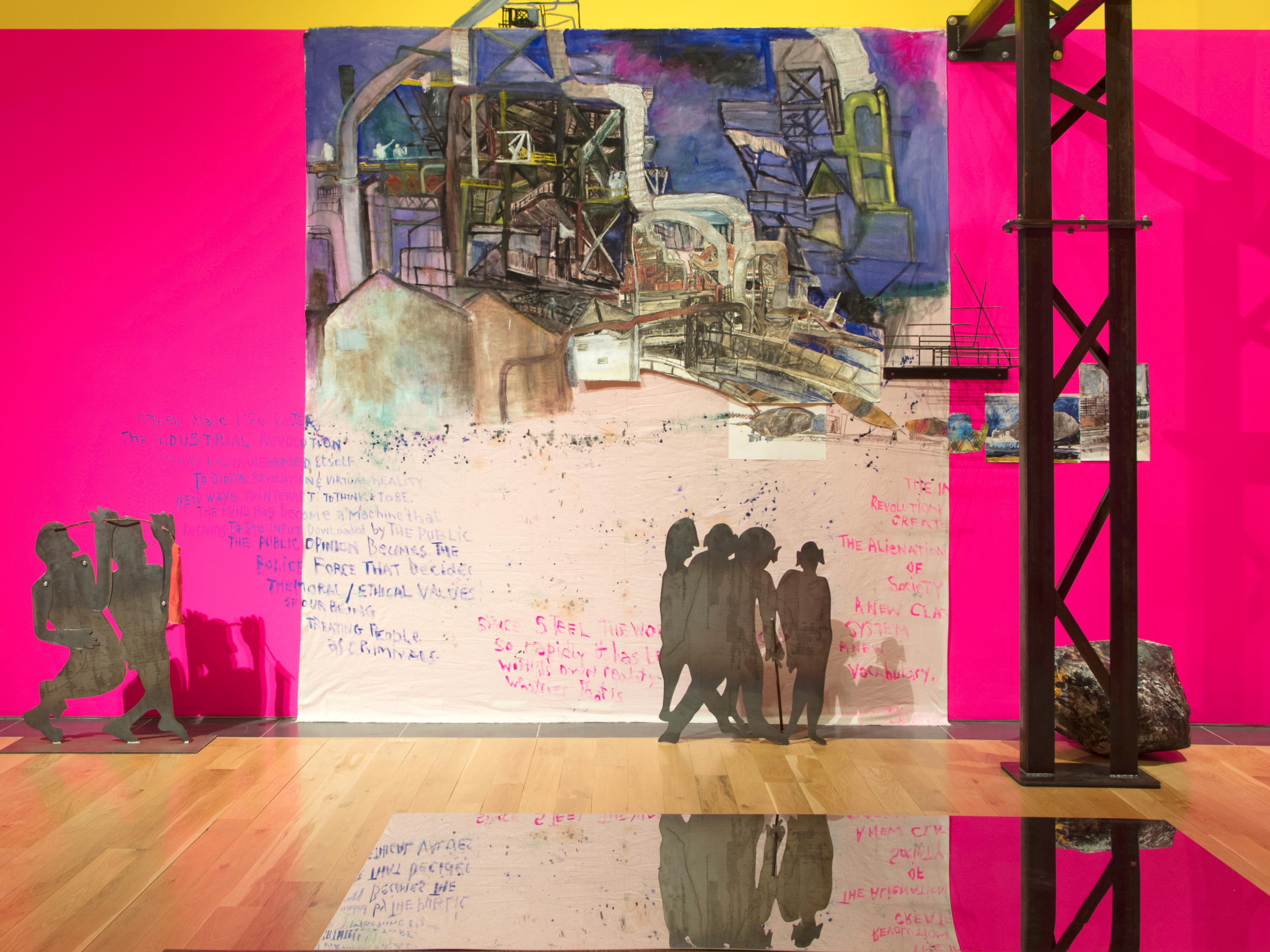
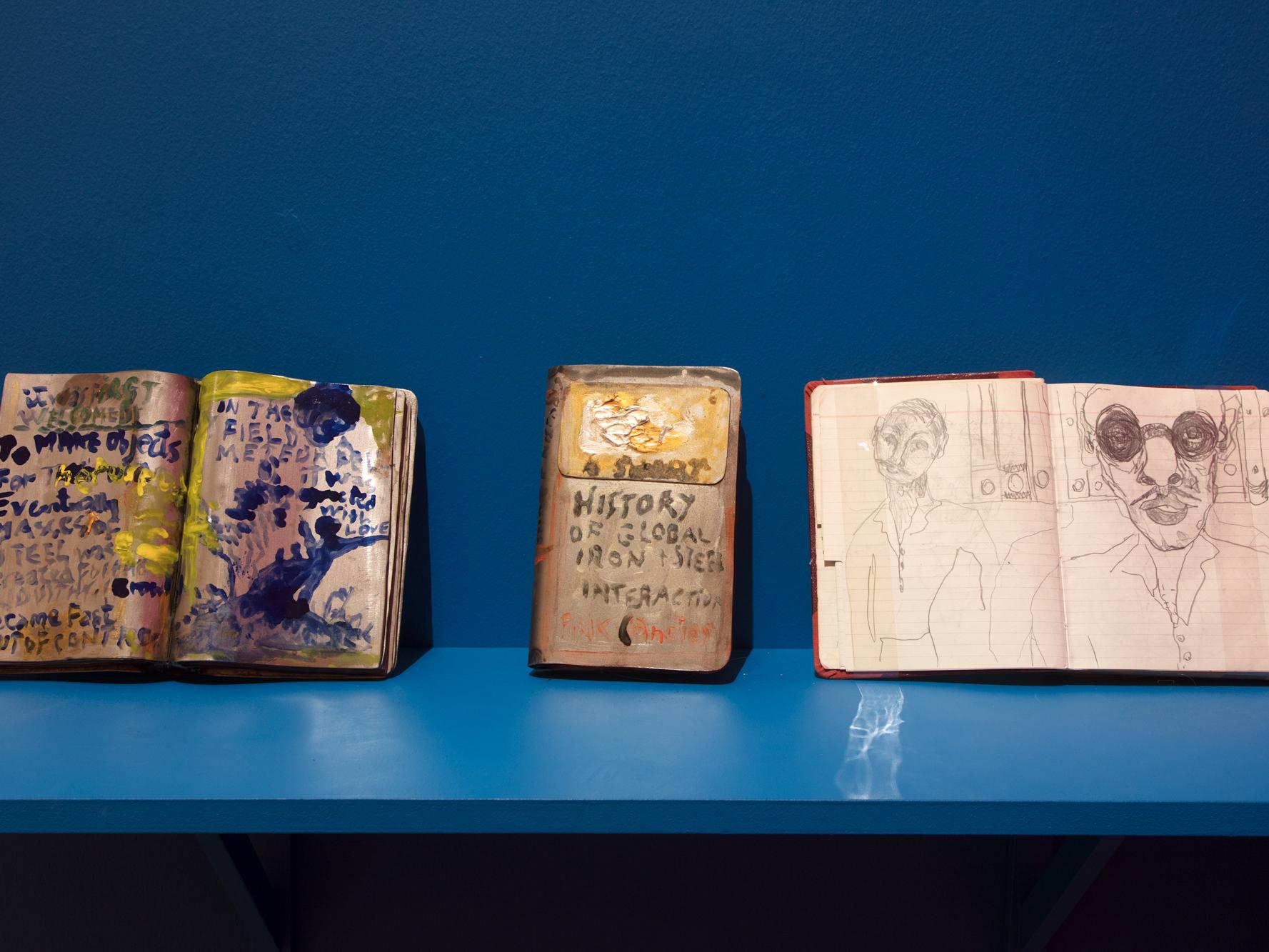
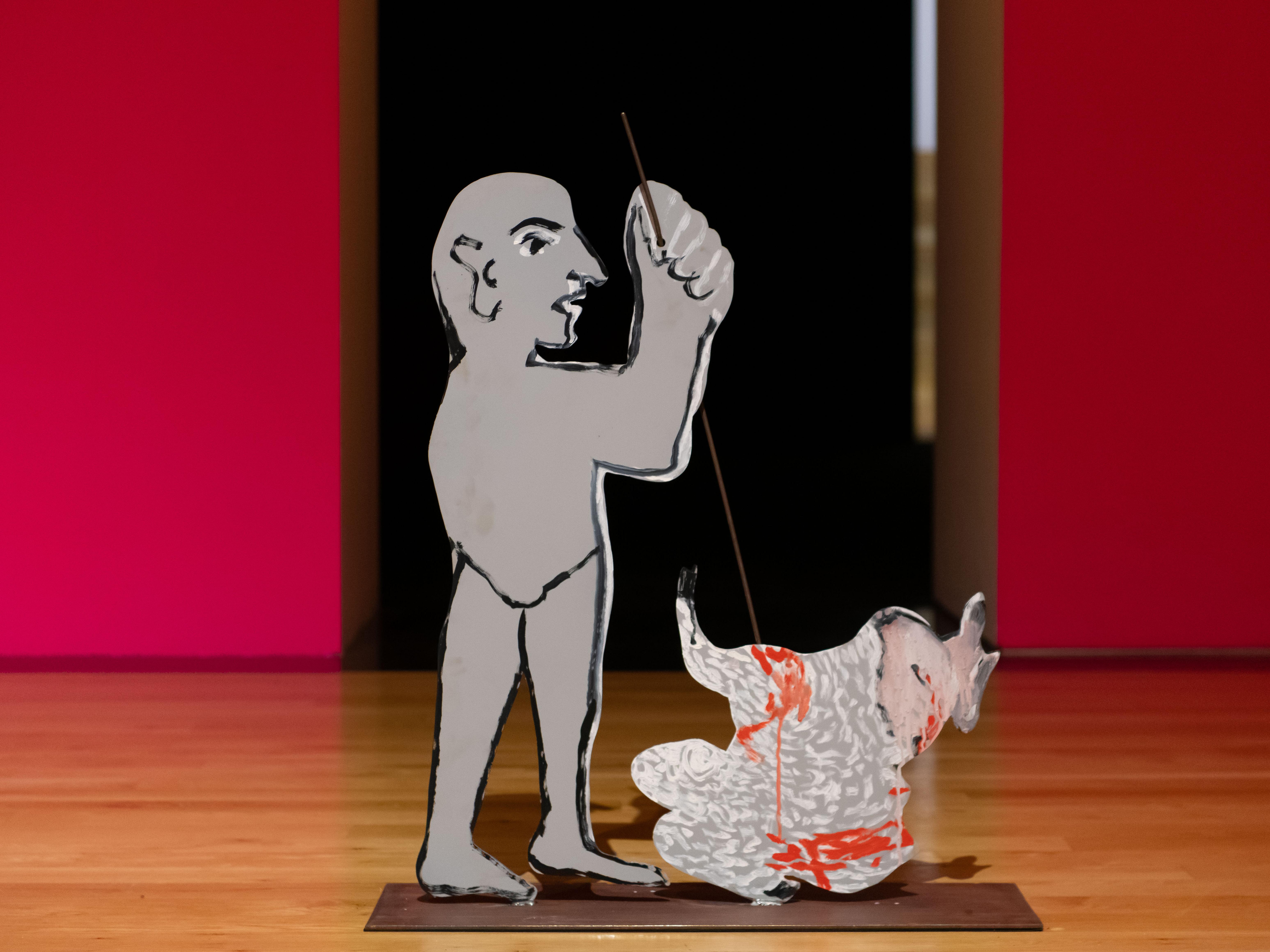
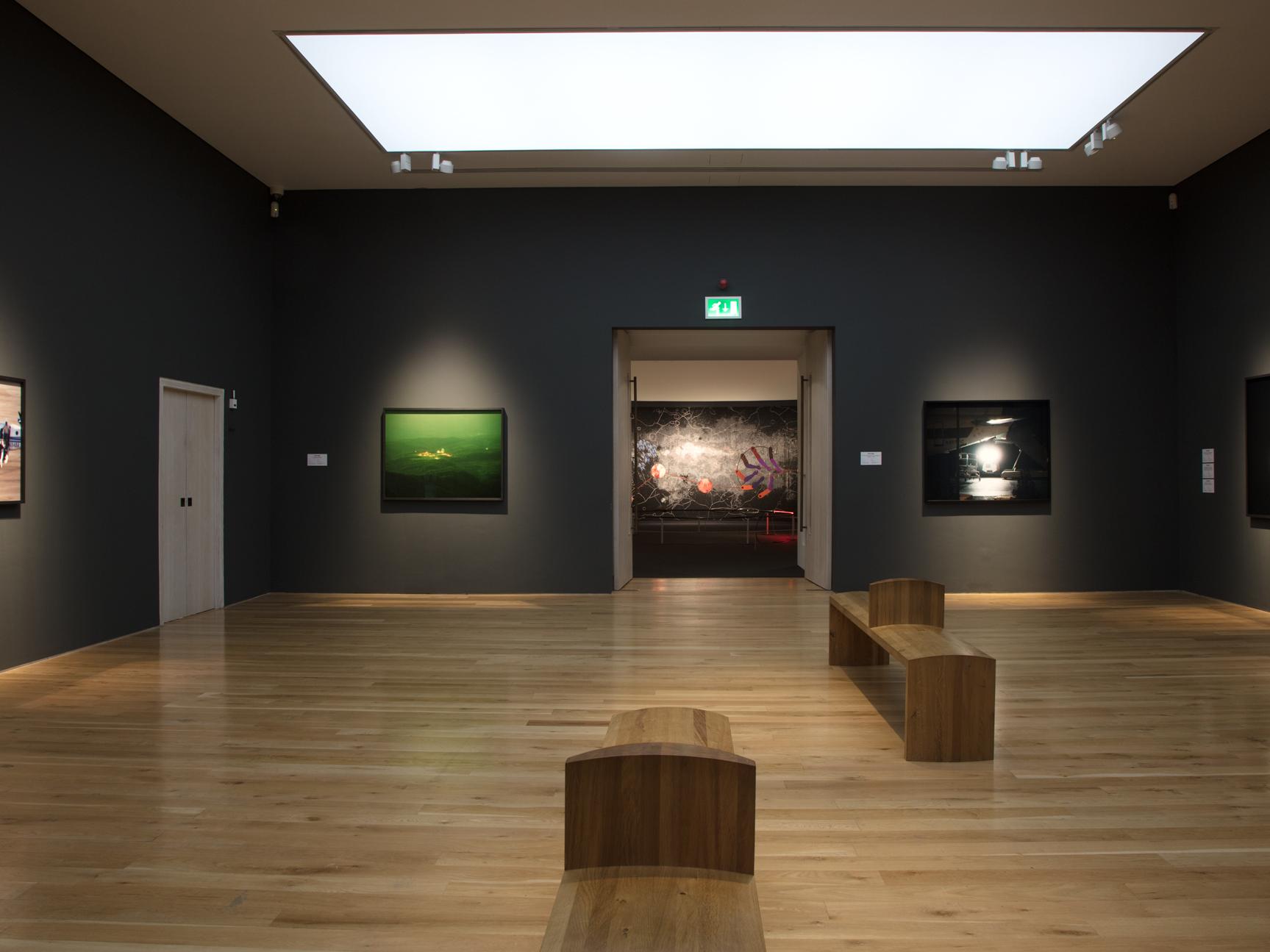
The work in the exhibition spans four continents and a varied range of artistic practices. Anna Boghiguian’s politically charged and nuanced drawings, paintings, cut-outs and installations survey globalism and intricate economies of power.
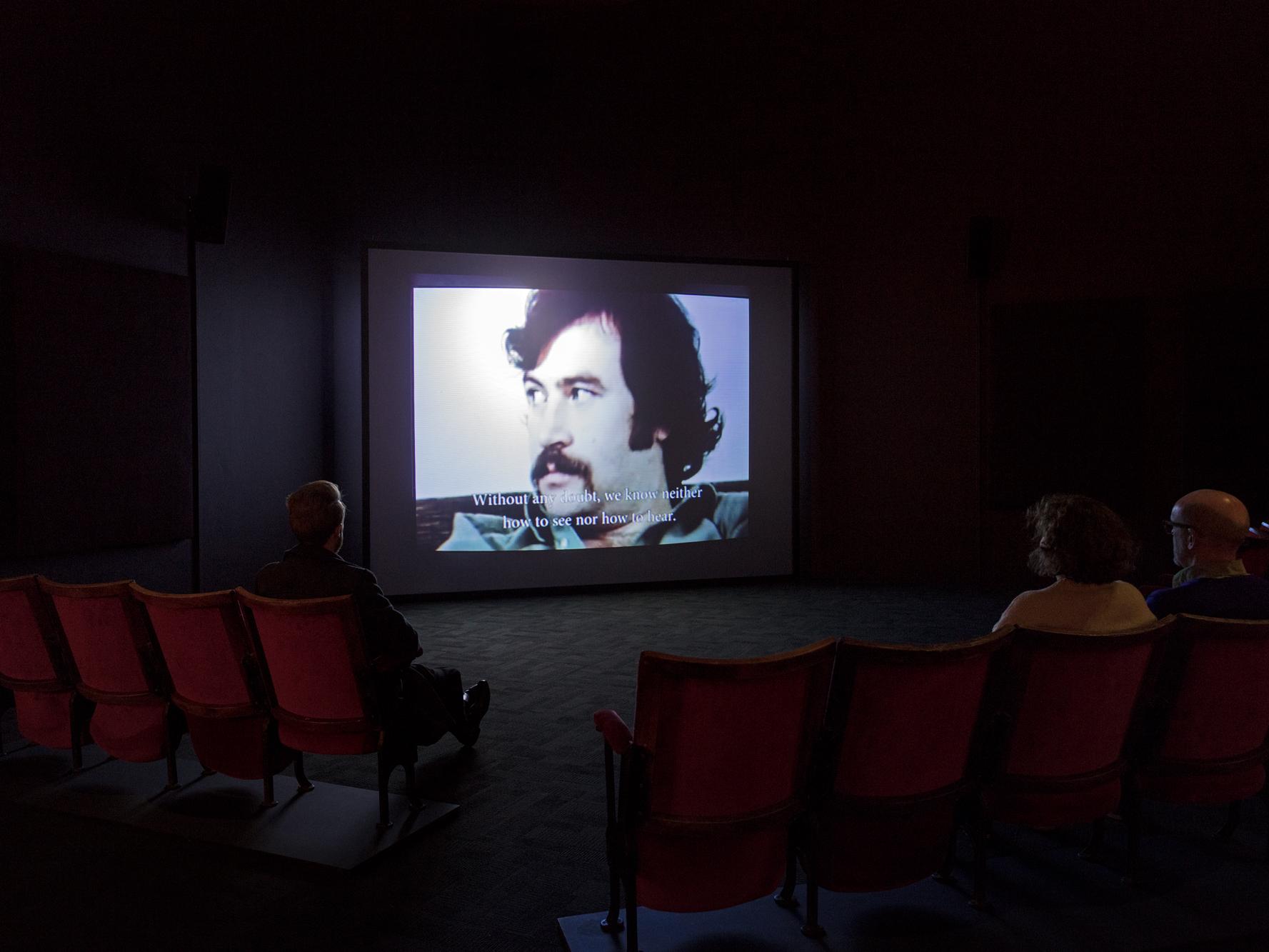
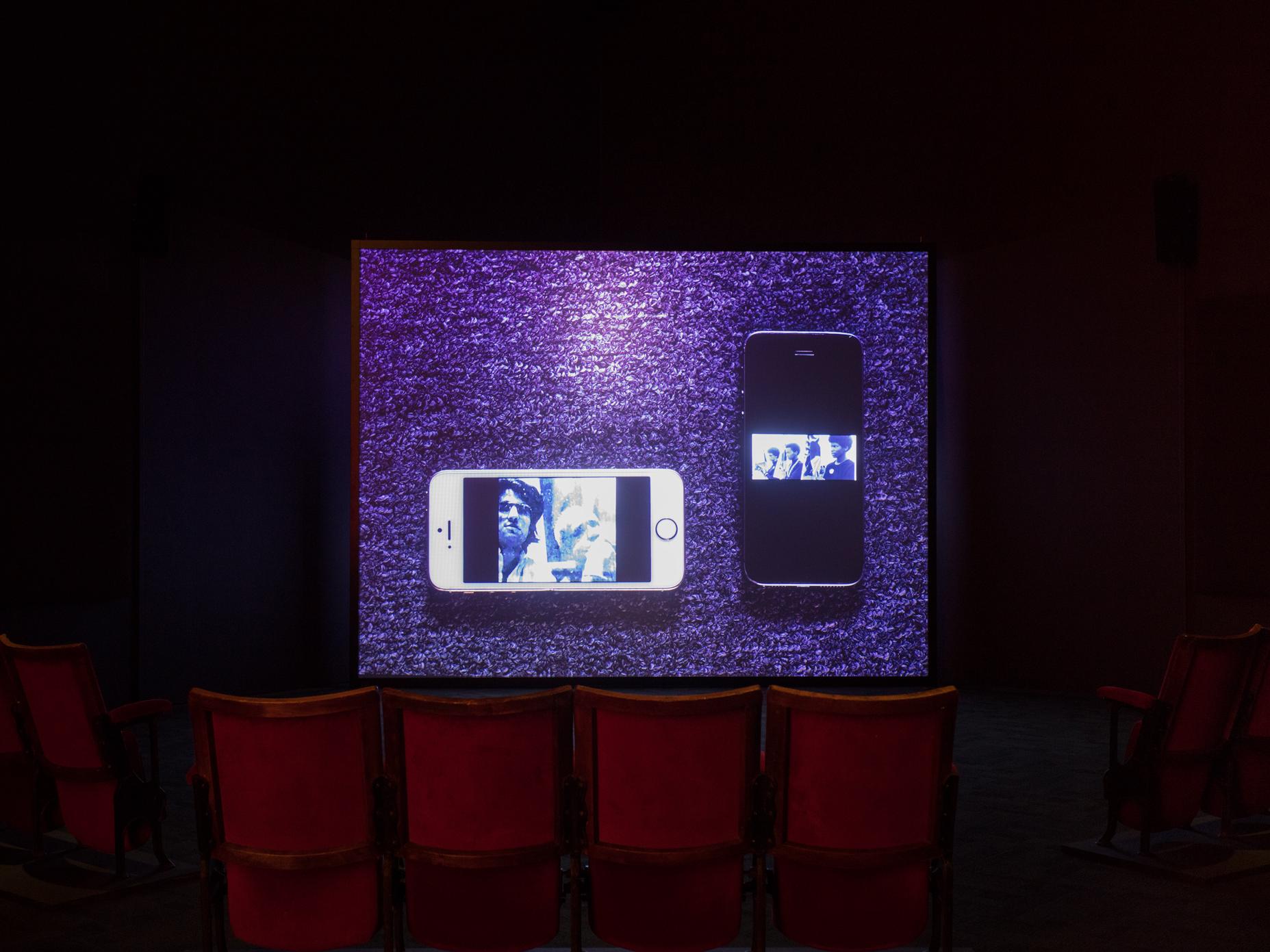
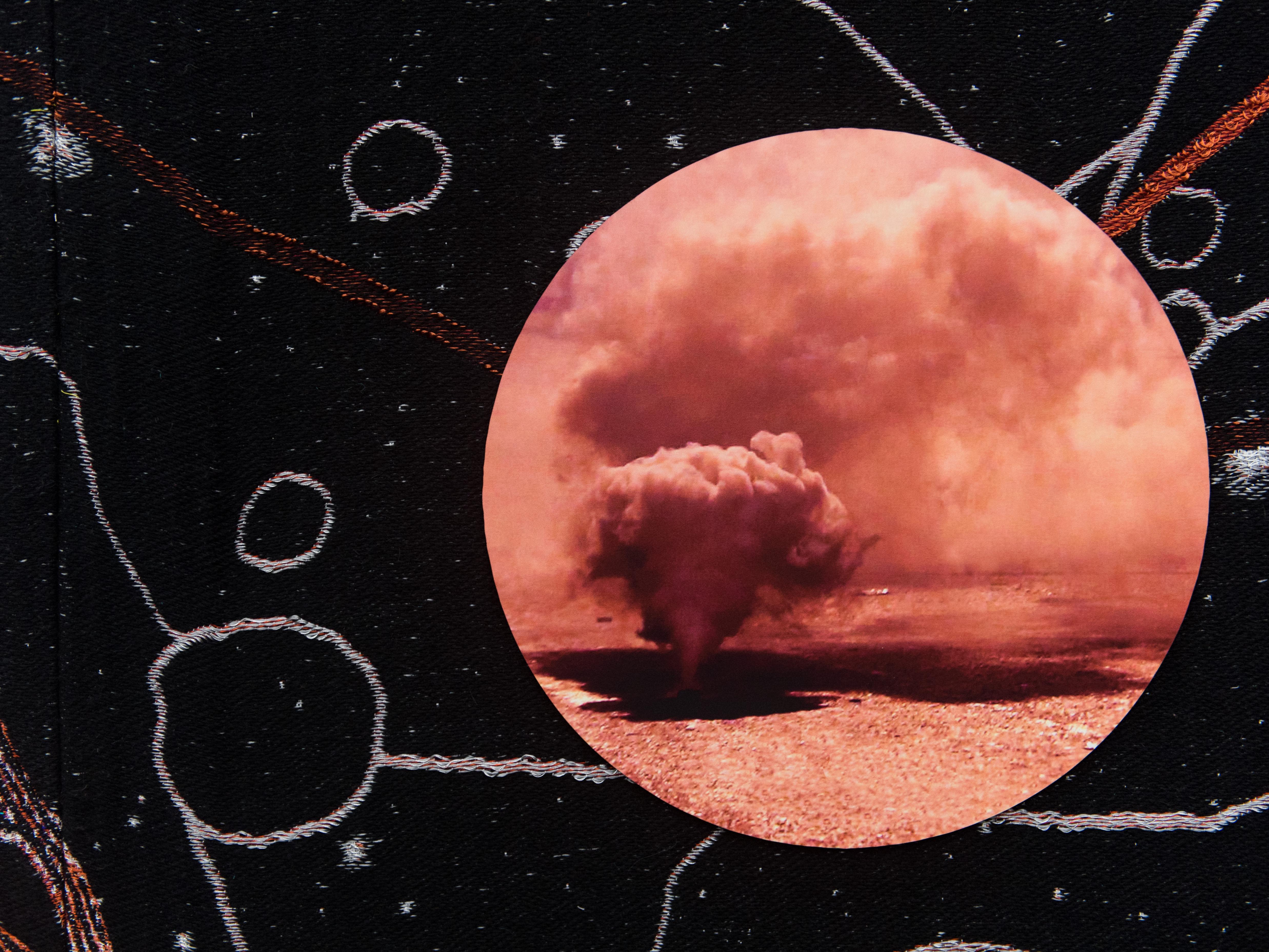
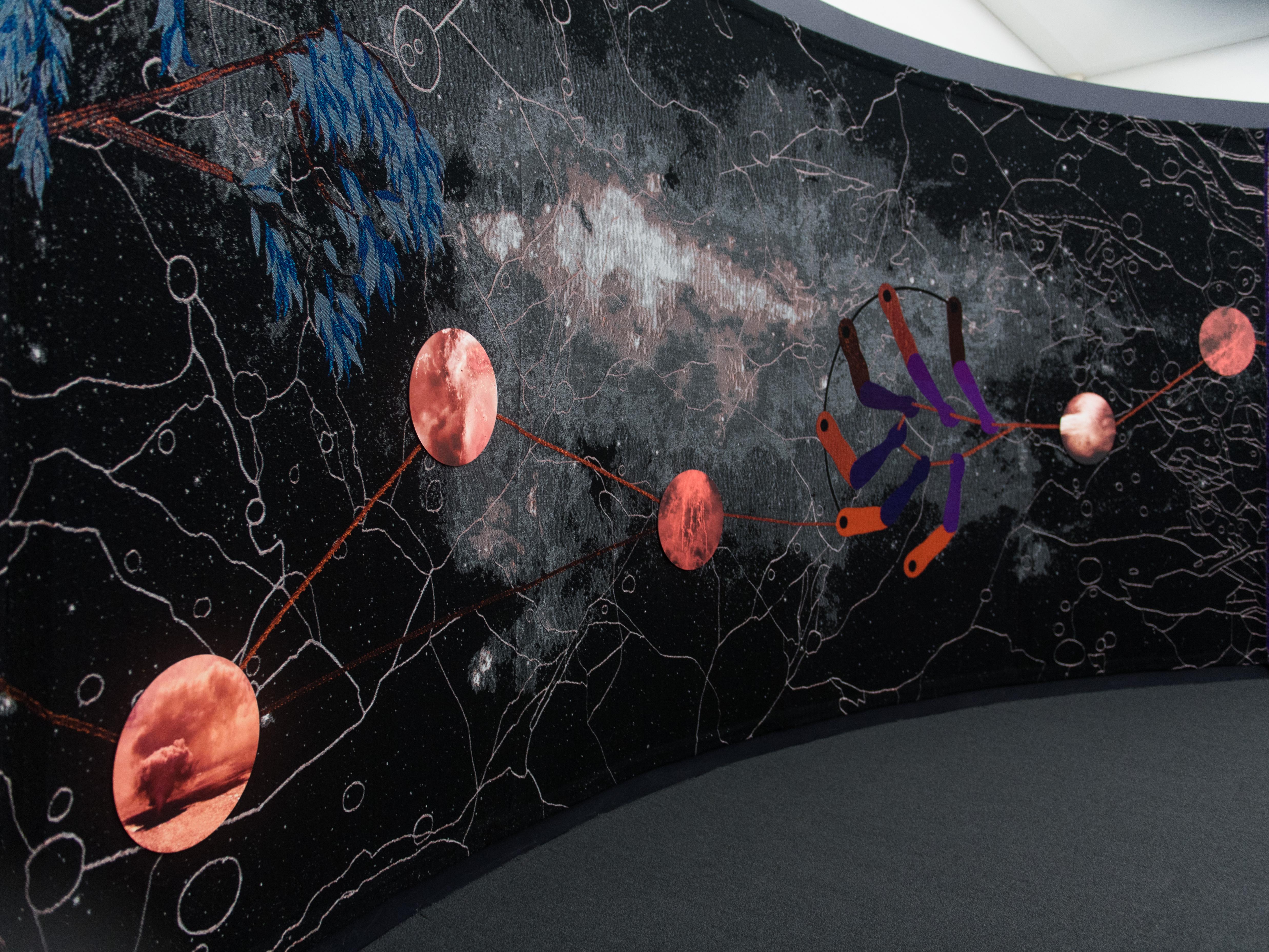
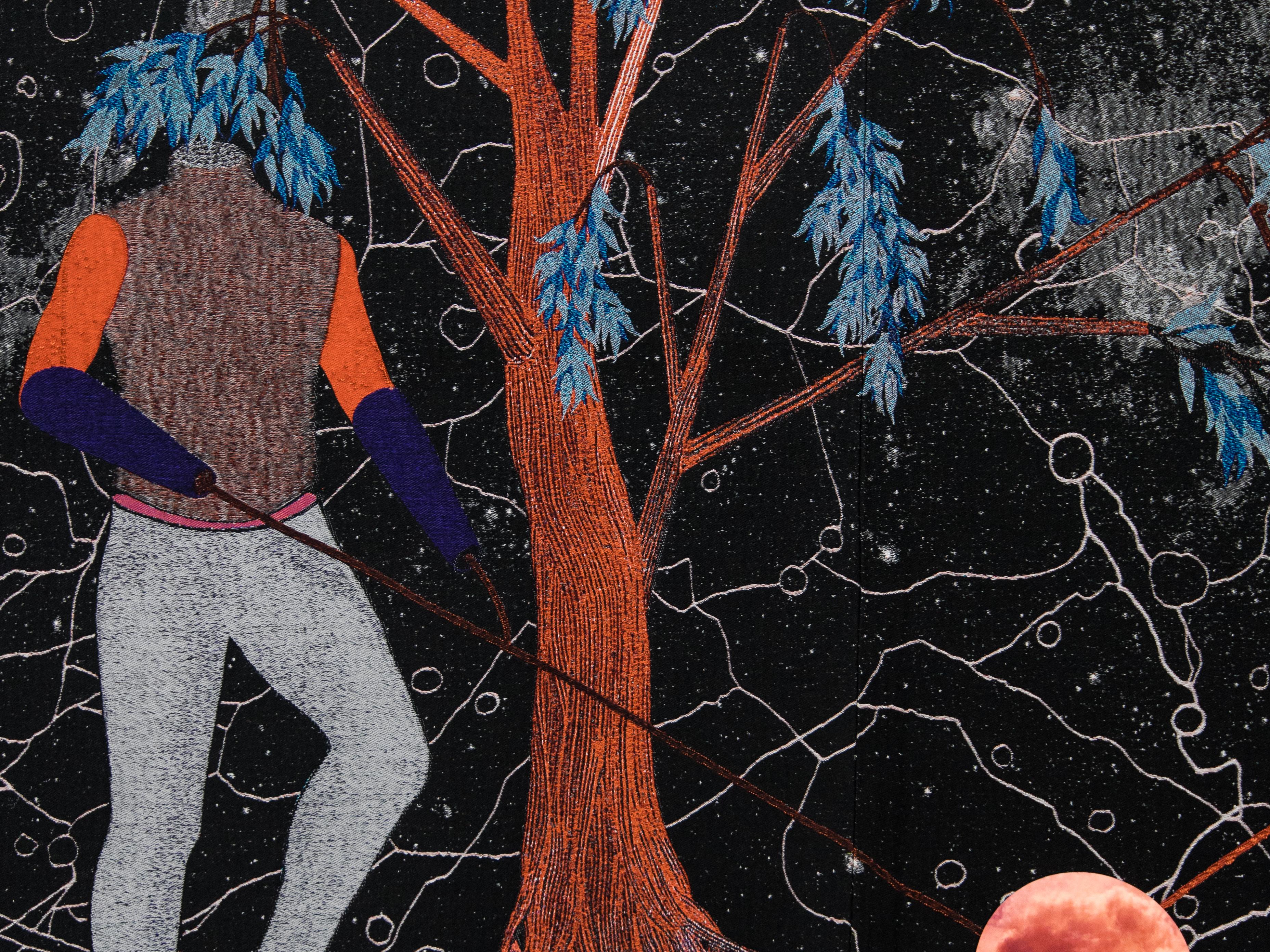
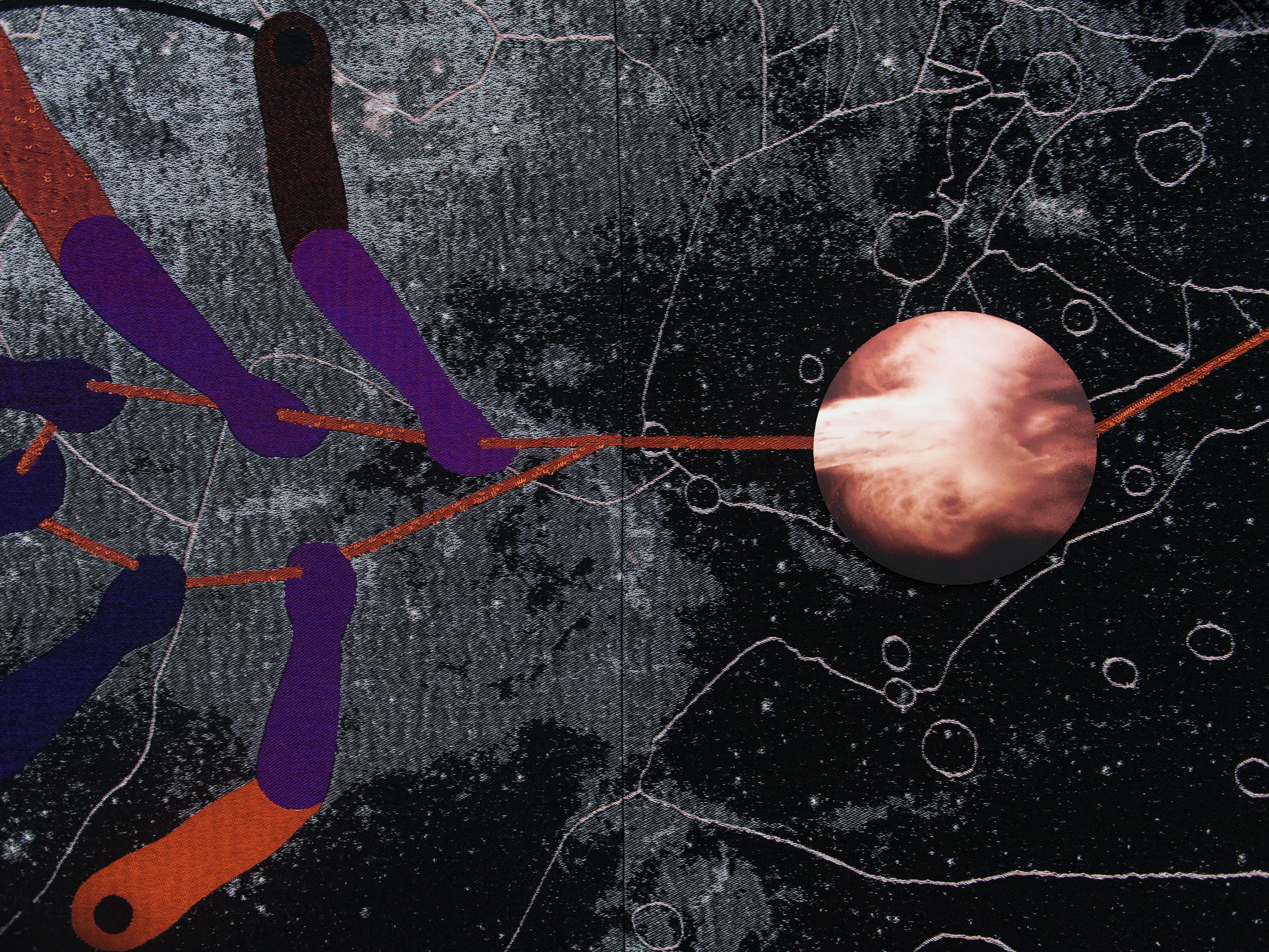
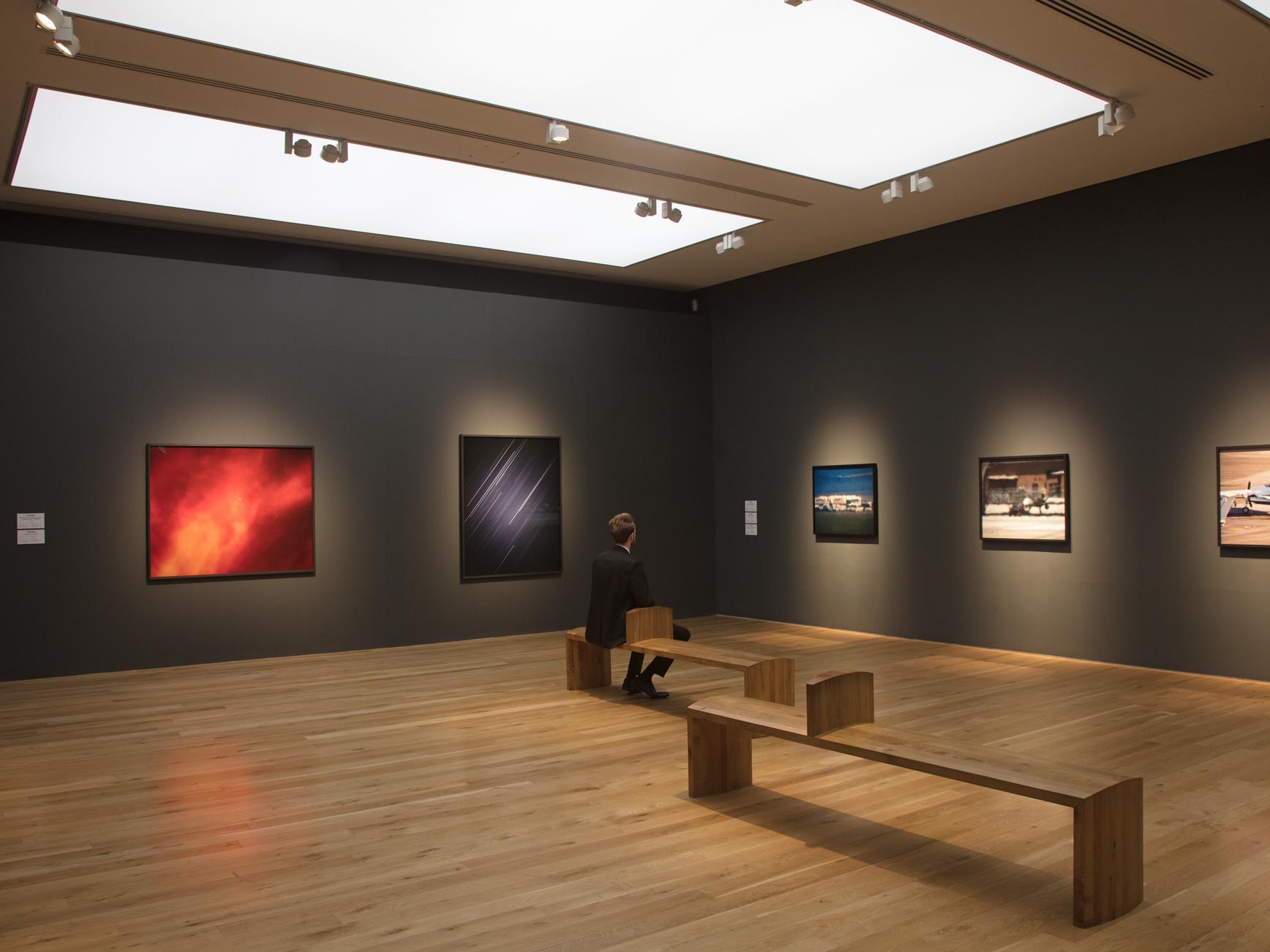
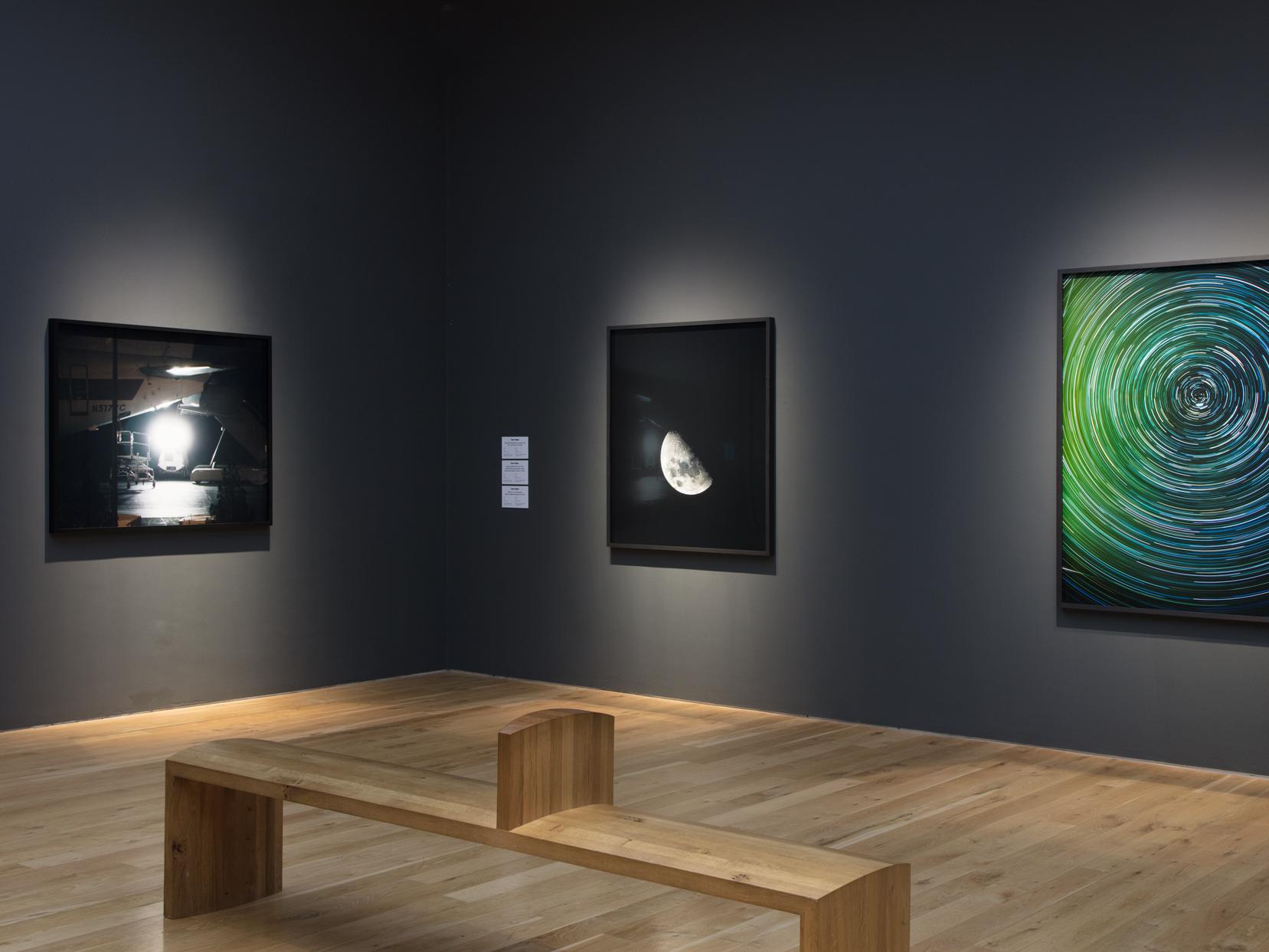
Through her use of film, Bouchra Khalili deftly examines modes of resistance, minorities and identity, often in collaboration with her subjects. Otobong Nkanga’s intricate and beguiling tapestries, installations and use of minerals and organic material interrogate our fast-changing relationship with the land and the use and cultural value of natural resources. Trevor Paglen’s unique use of photography, scientific collaboration and journalism offer the viewer a chance to see the unseen, investigating shadowy government practices, surveillance and hidden structures of authority, while Apichatpong Weerasethakul’s meditative and dreamlike films explore the ghosts of Thailand’s past, liminal spaces of memory and identity and shared consciousness and belonging.
Jurors


Selectors

Artists
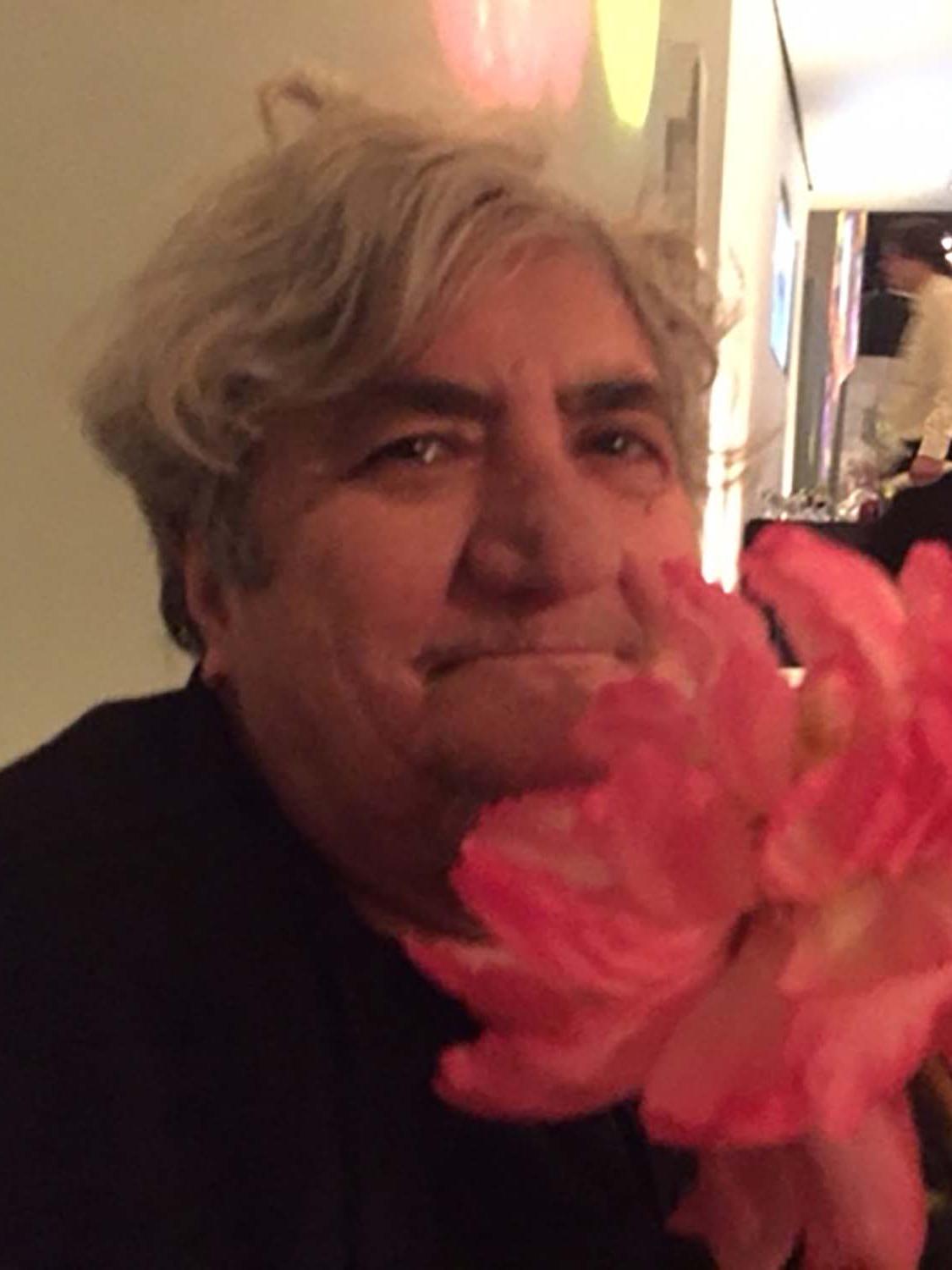
Anna BoghiguianDerek Williams Trust Artes Mundi Purchase Prize Winner
 Anna Boghiguian
Bouchra Khalili
 Bouchra Khalili
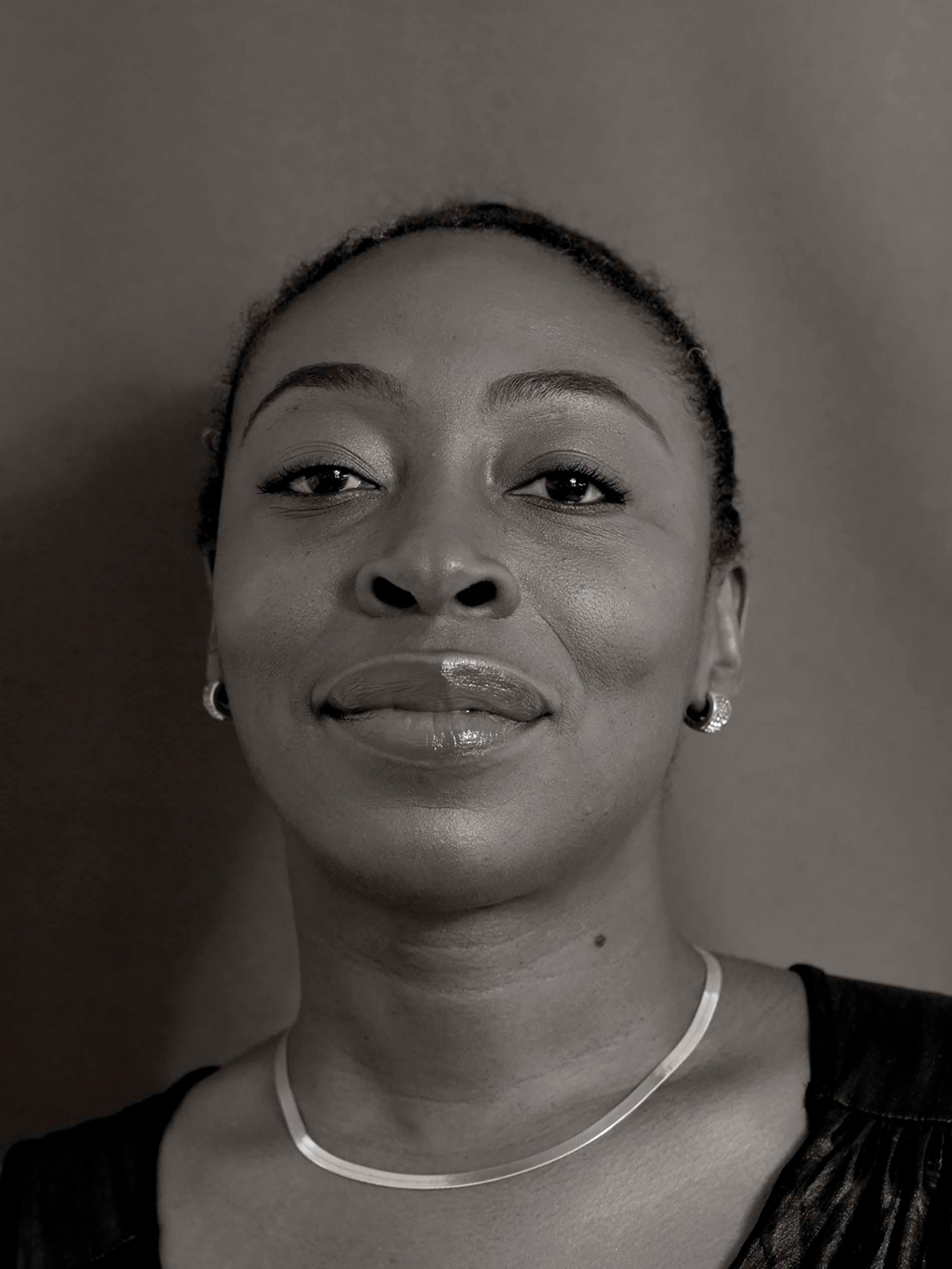
Otobong Nkanga
 Otobong Nkanga
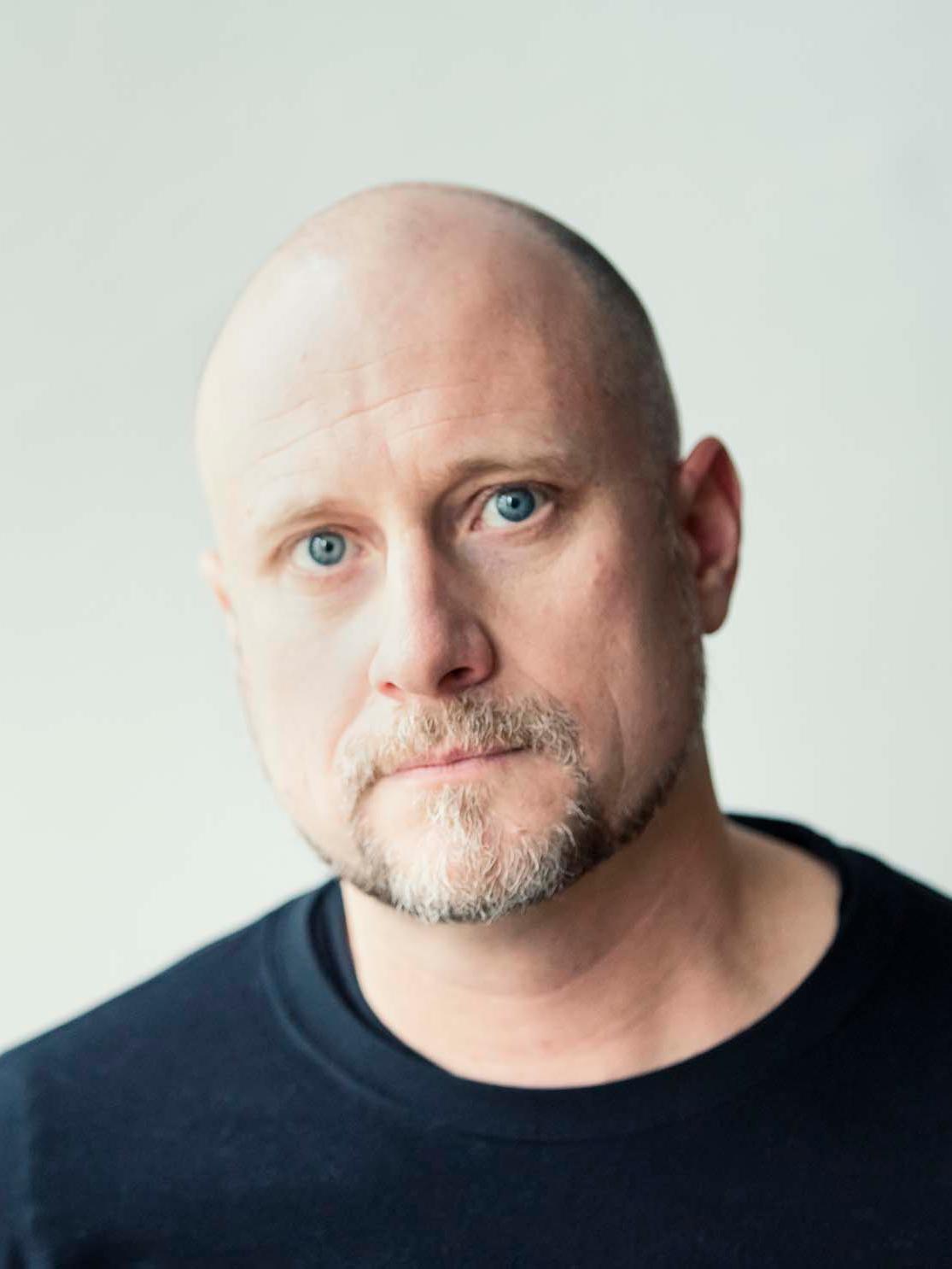
Trevor Paglen
 Trevor Paglen
Apichatpong WeerasethakulArtes Mundi Prize Winner
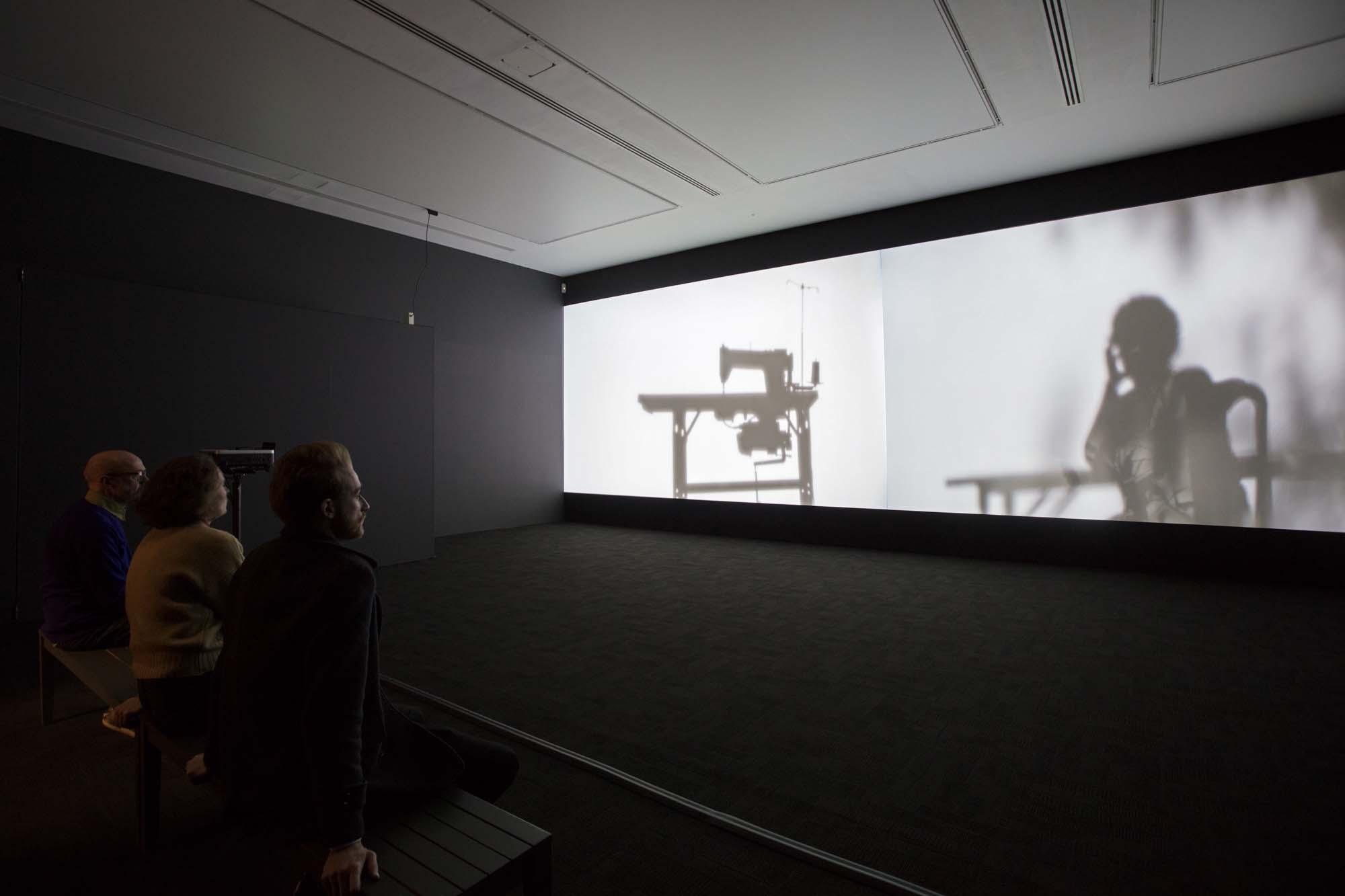
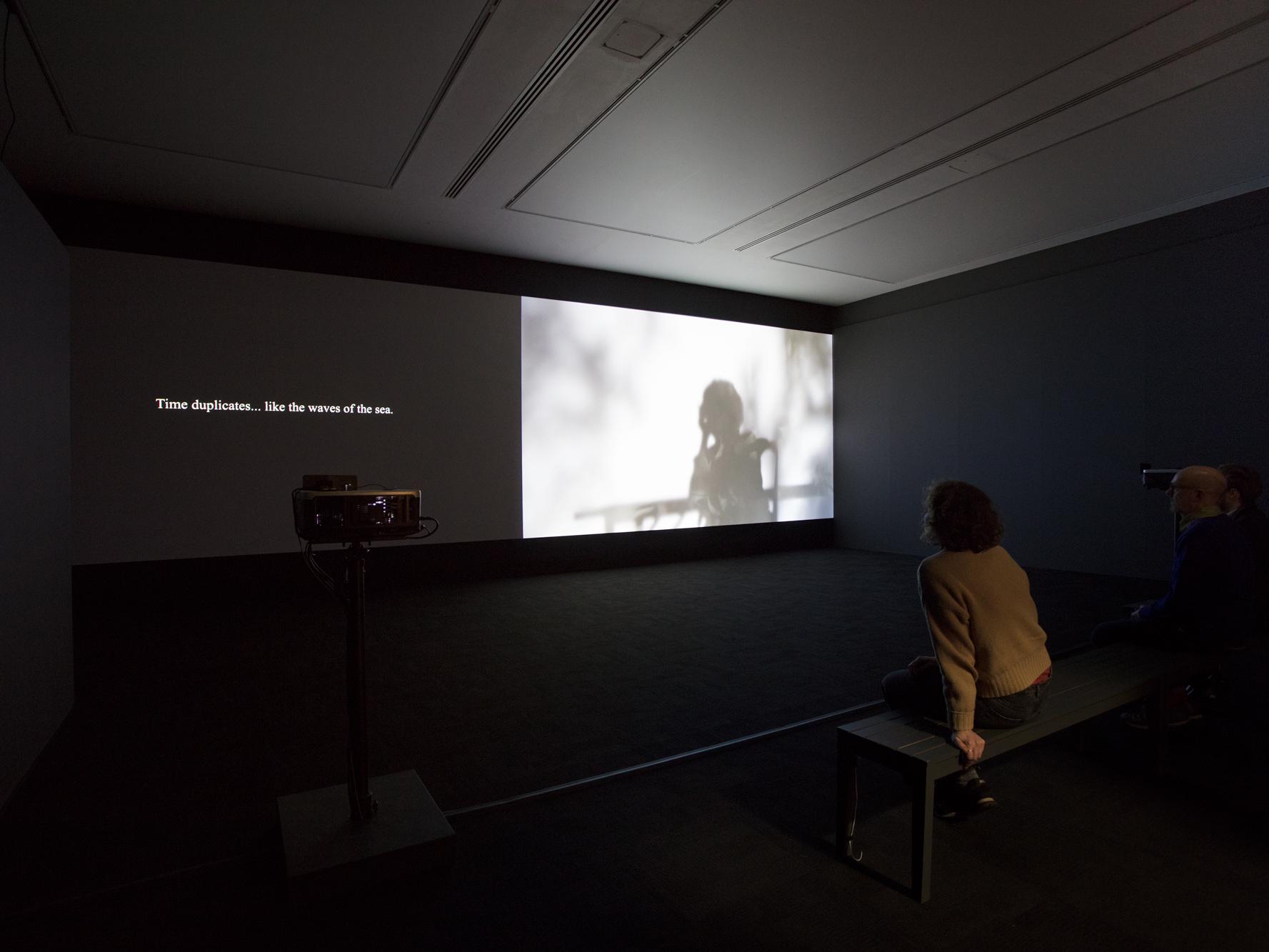
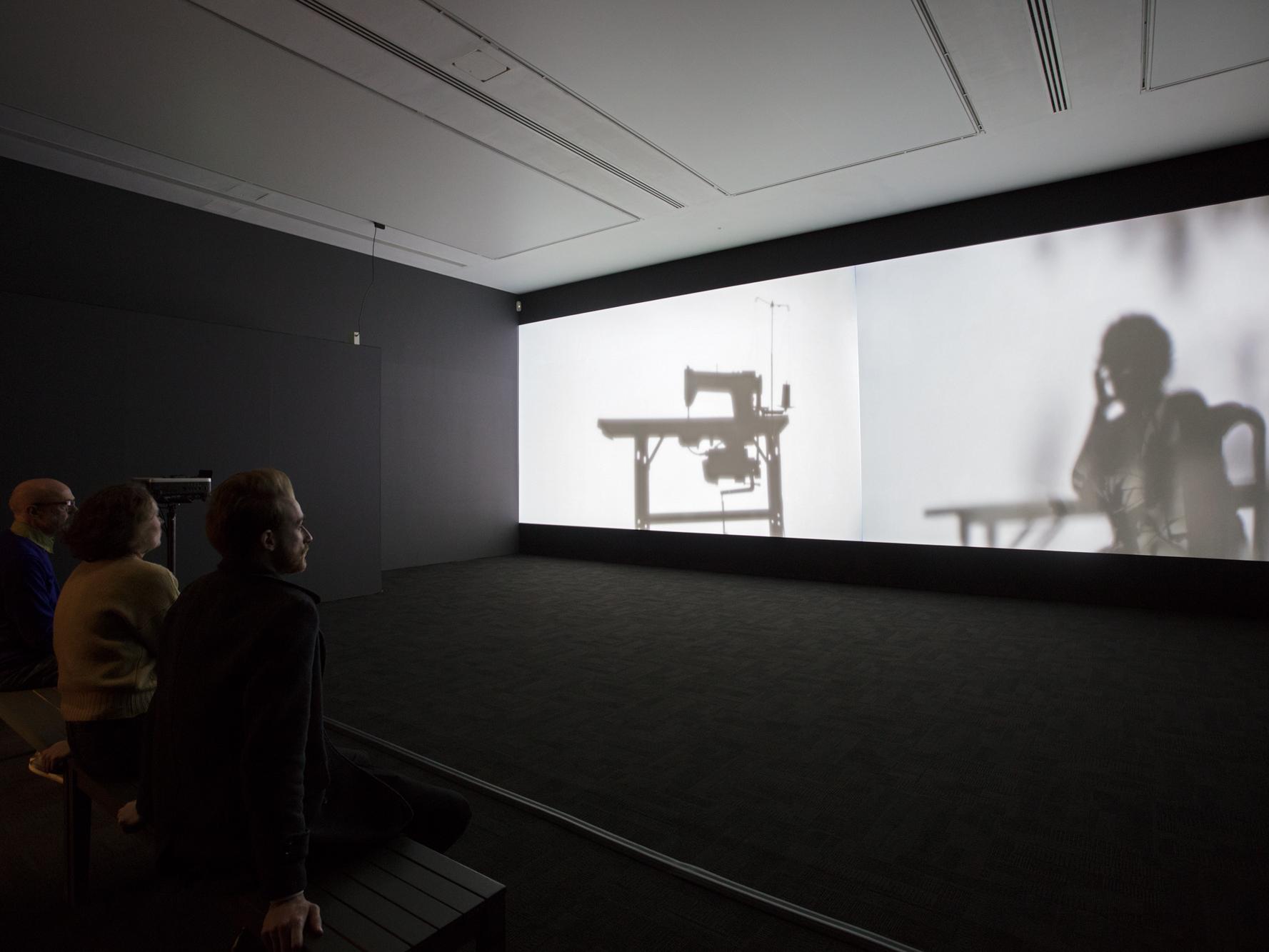
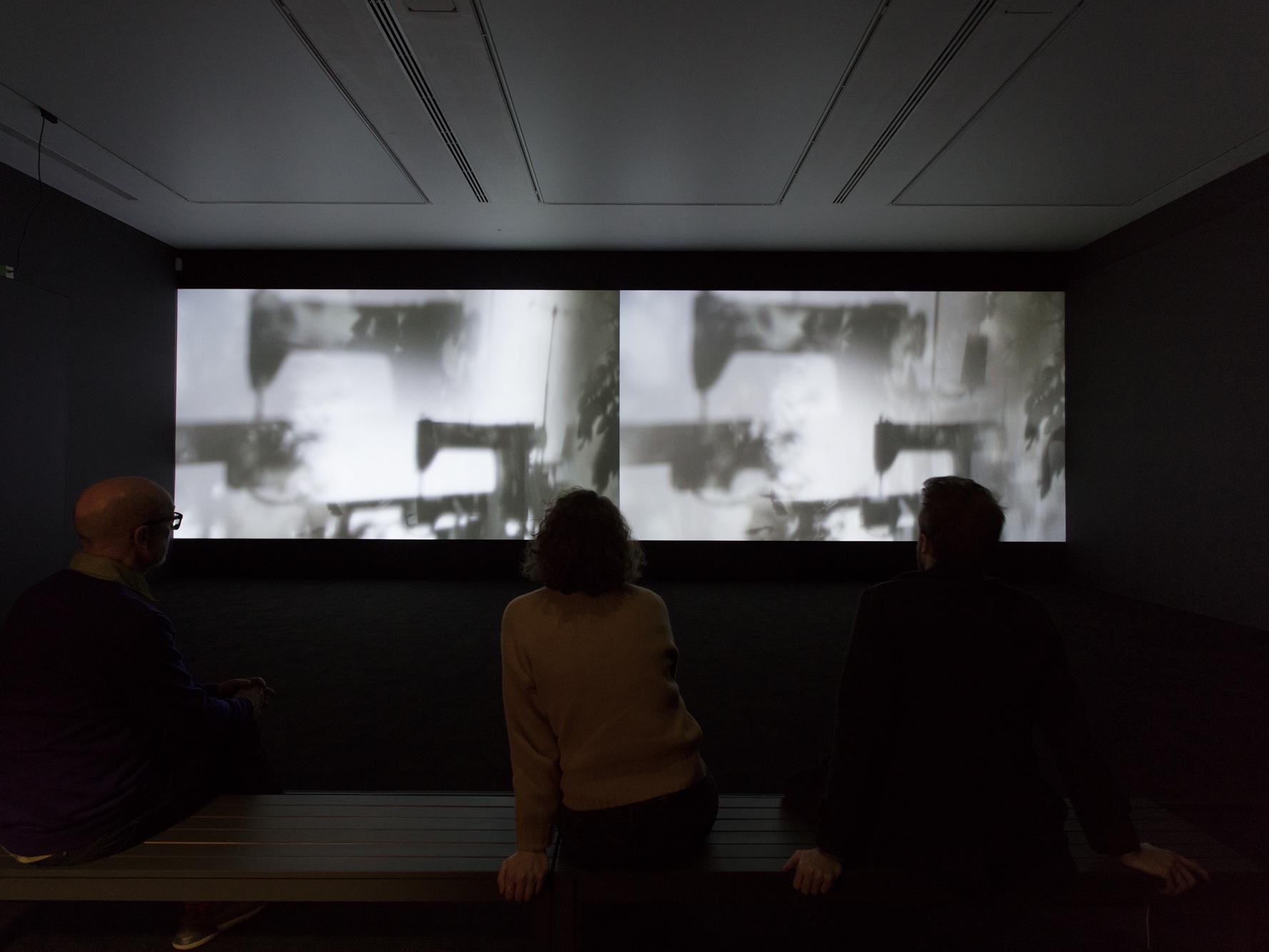
The winner of the Artes Mundi 8 Prize was Thai artist and filmmaker Apichatpong Weerasethakul.Working in the space between cinema and contemporary art, Weerasethakul creates installations and films that are often non-linear and convey a strong sense of dislocation and otherworldliness. Through the manipulation of time and light, he constructs tenuous bridges for the viewer to travel between the real and the mythical, the individual and the collective, the corporeal and the chimeric.Read more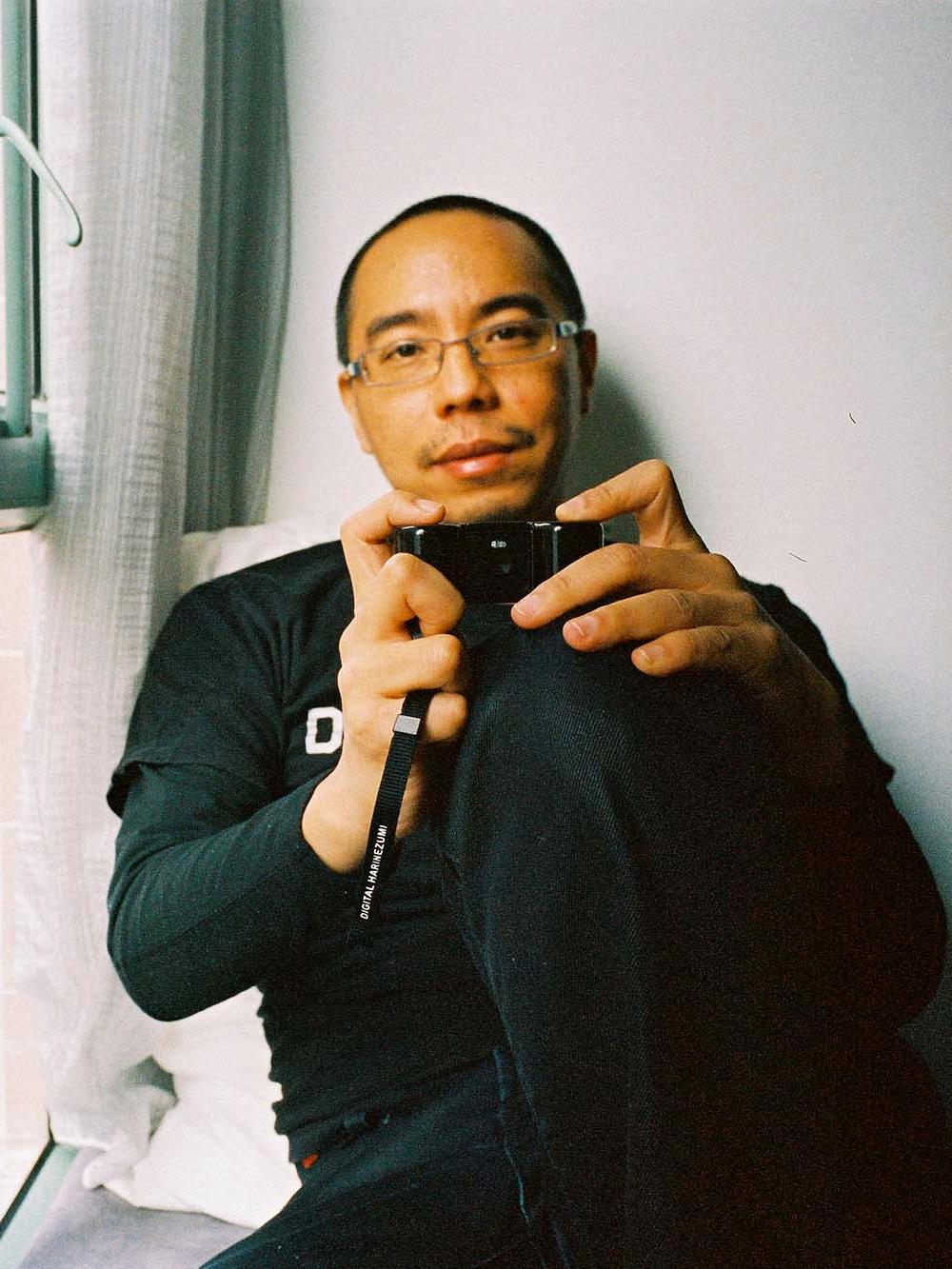 Apichatpong Weerasethakul
Installation images
Prize
The winner of the Artes Mundi 8 Prize was Thai artist and filmmaker Apichatpong Weerasethakul.
Working in the space between cinema and contemporary art, Weerasethakul creates installations and films that are often non-linear and convey a strong sense of dislocation and otherworldliness. Through the manipulation of time and light, he constructs tenuous bridges for the viewer to travel between the real and the mythical, the individual and the collective, the corporeal and the chimeric.