Search
Artes Mundi 7
National Museum Cardiff, Chapter
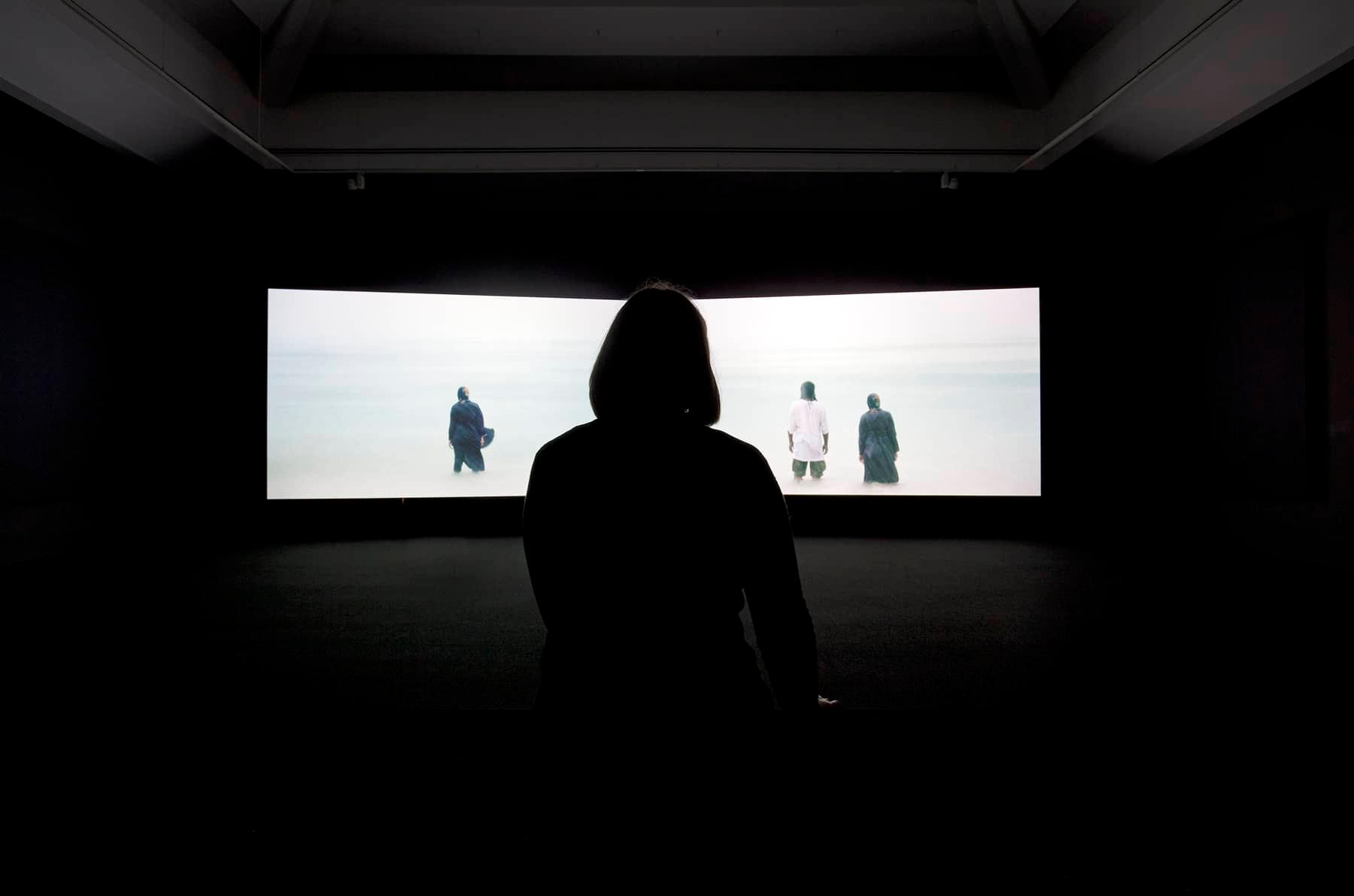
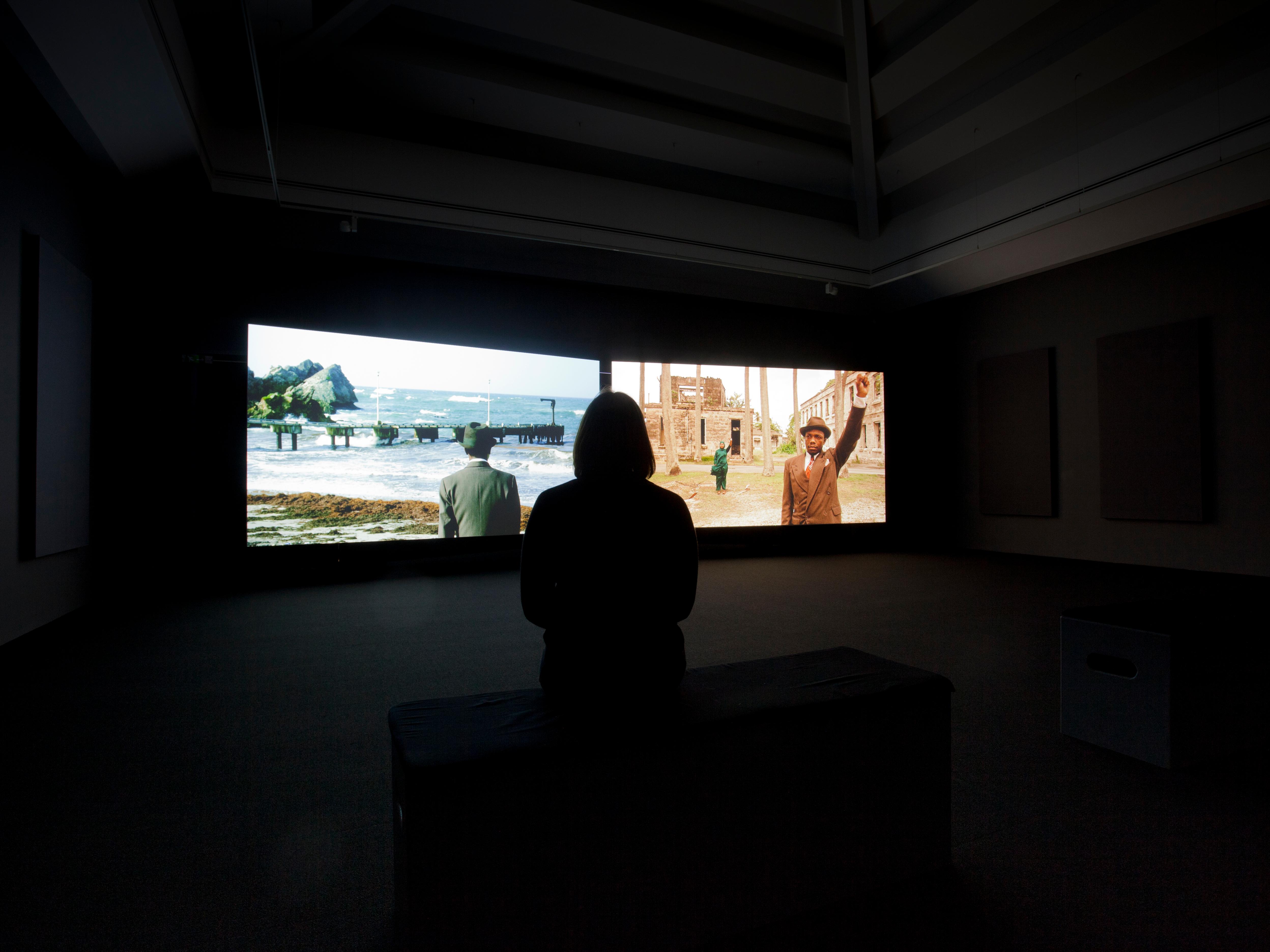
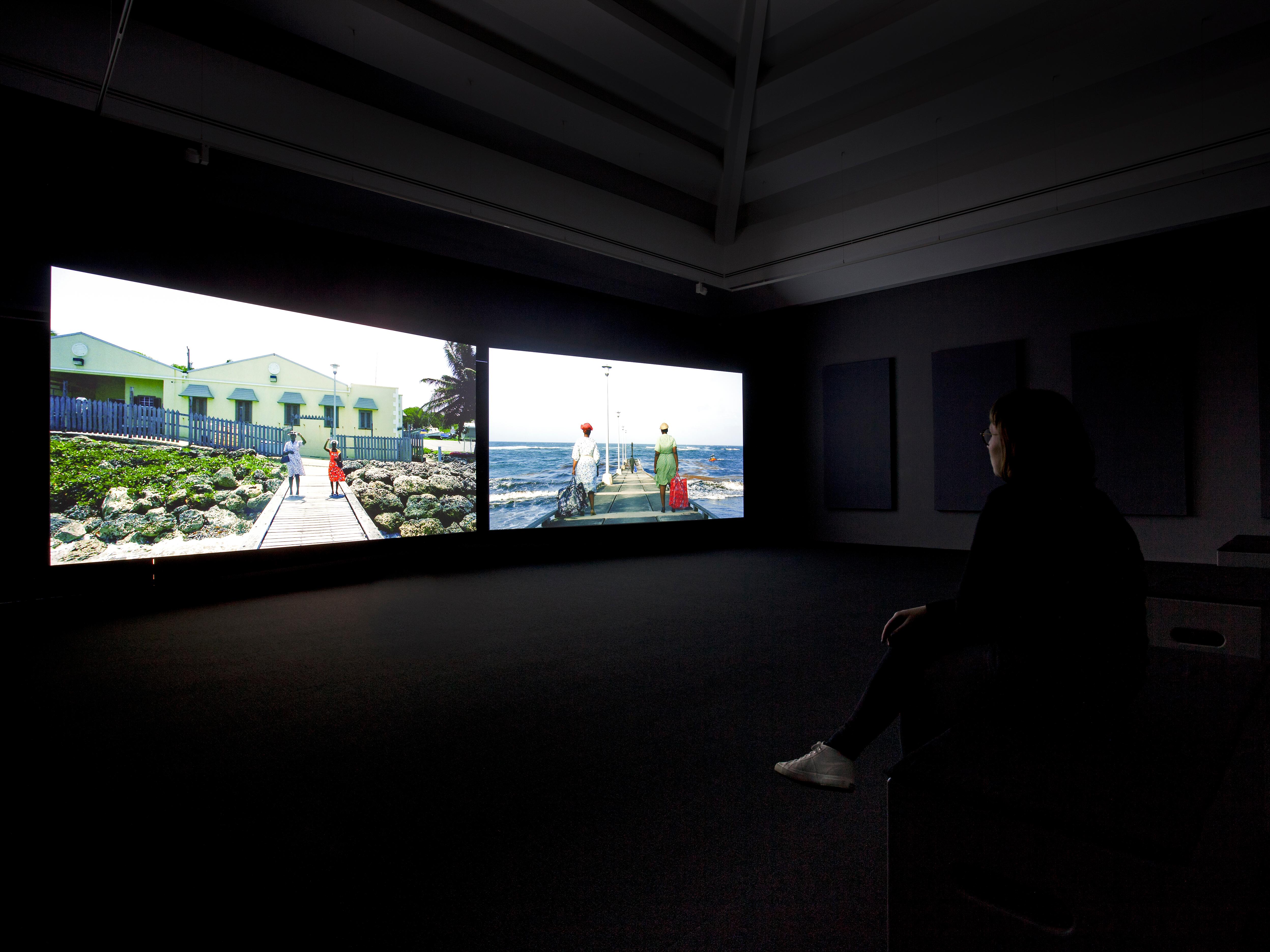
John Akomfrah, Auto Da Fé, 2016. Artes Mundi 7 installation view, National Museum Cardiff, 2016. © Smoking Dogs Films. Courtesy the artist and Lisson Gallery, London. Photo: James Woodley.
Overview
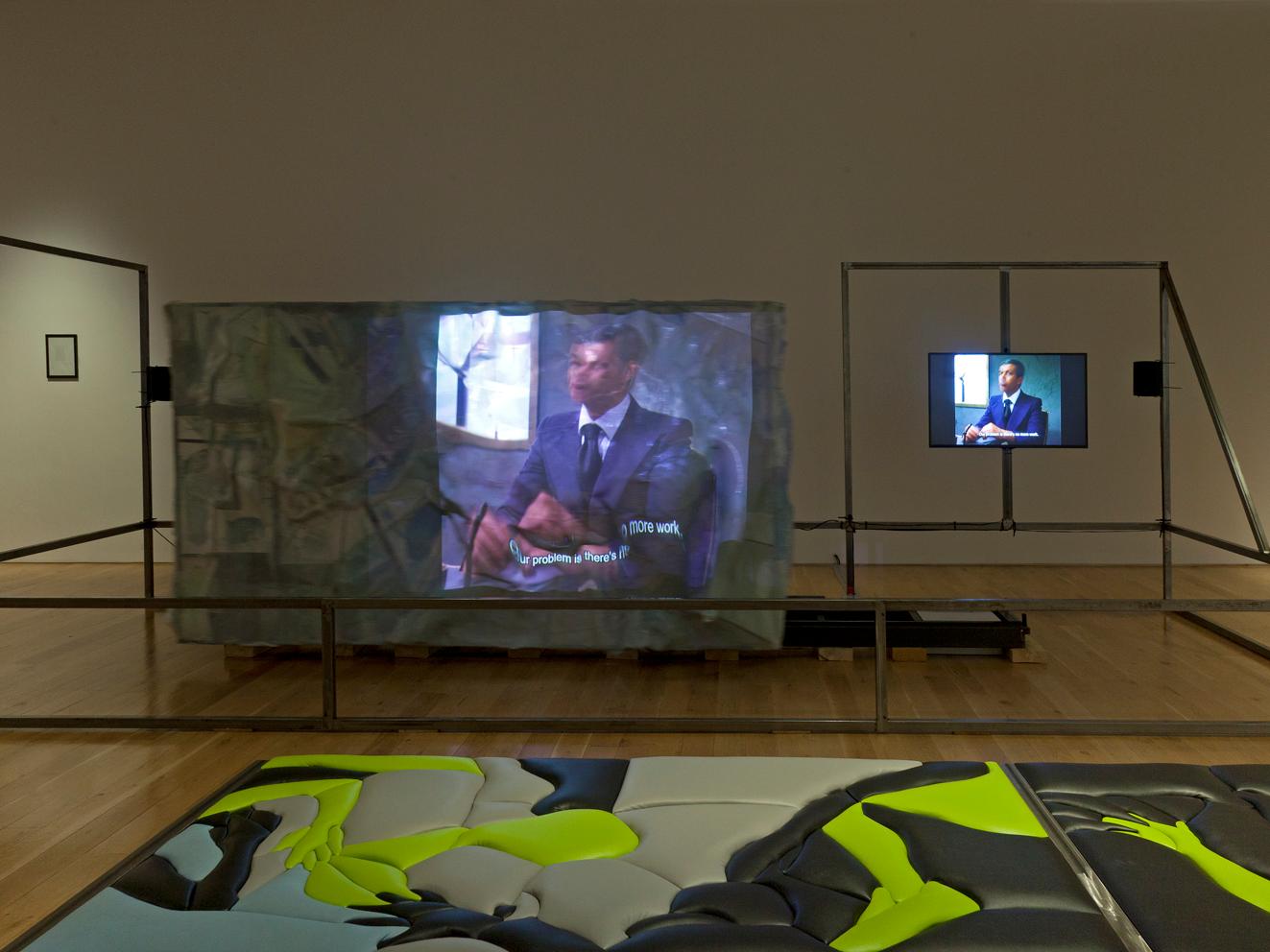
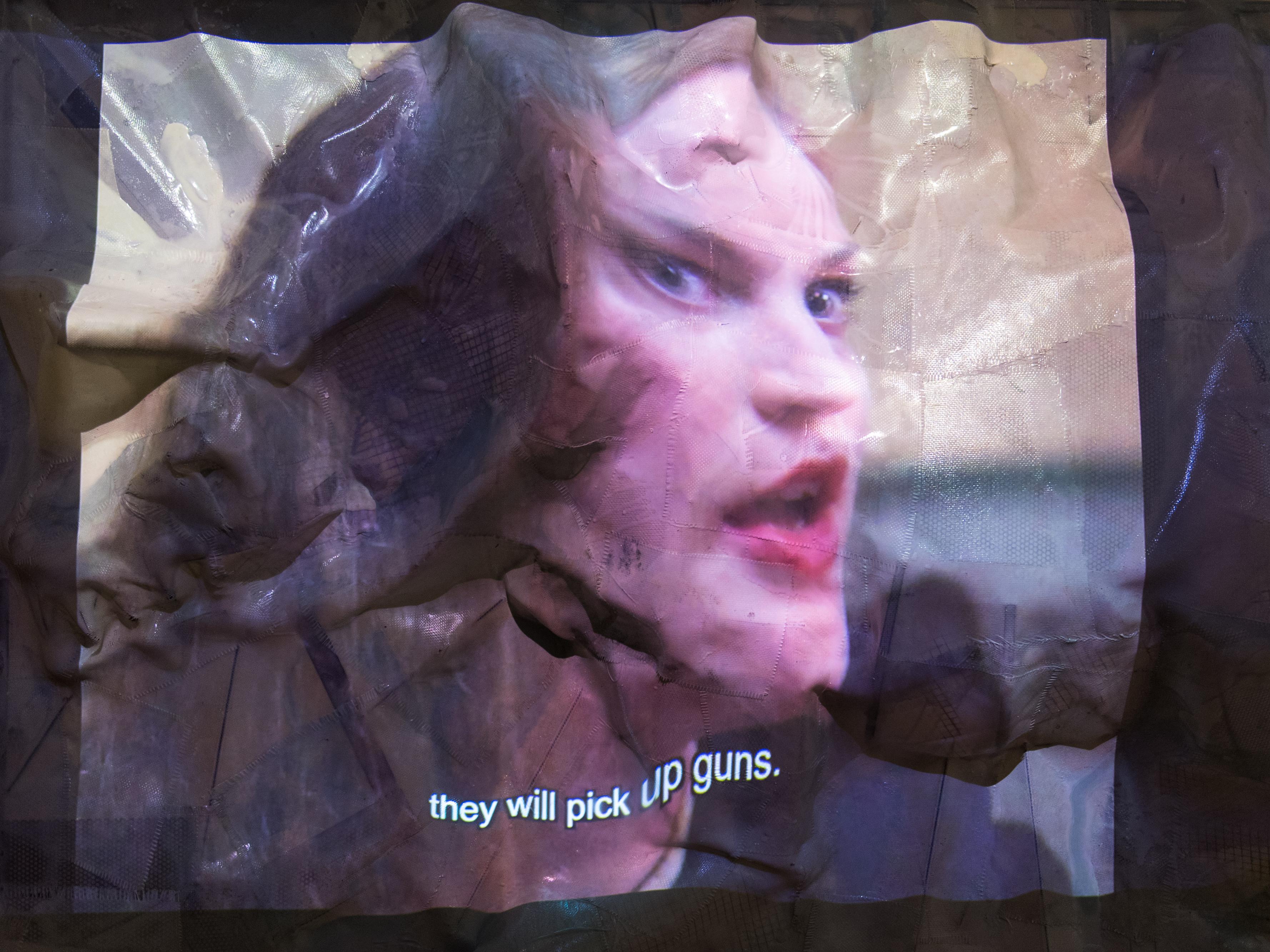
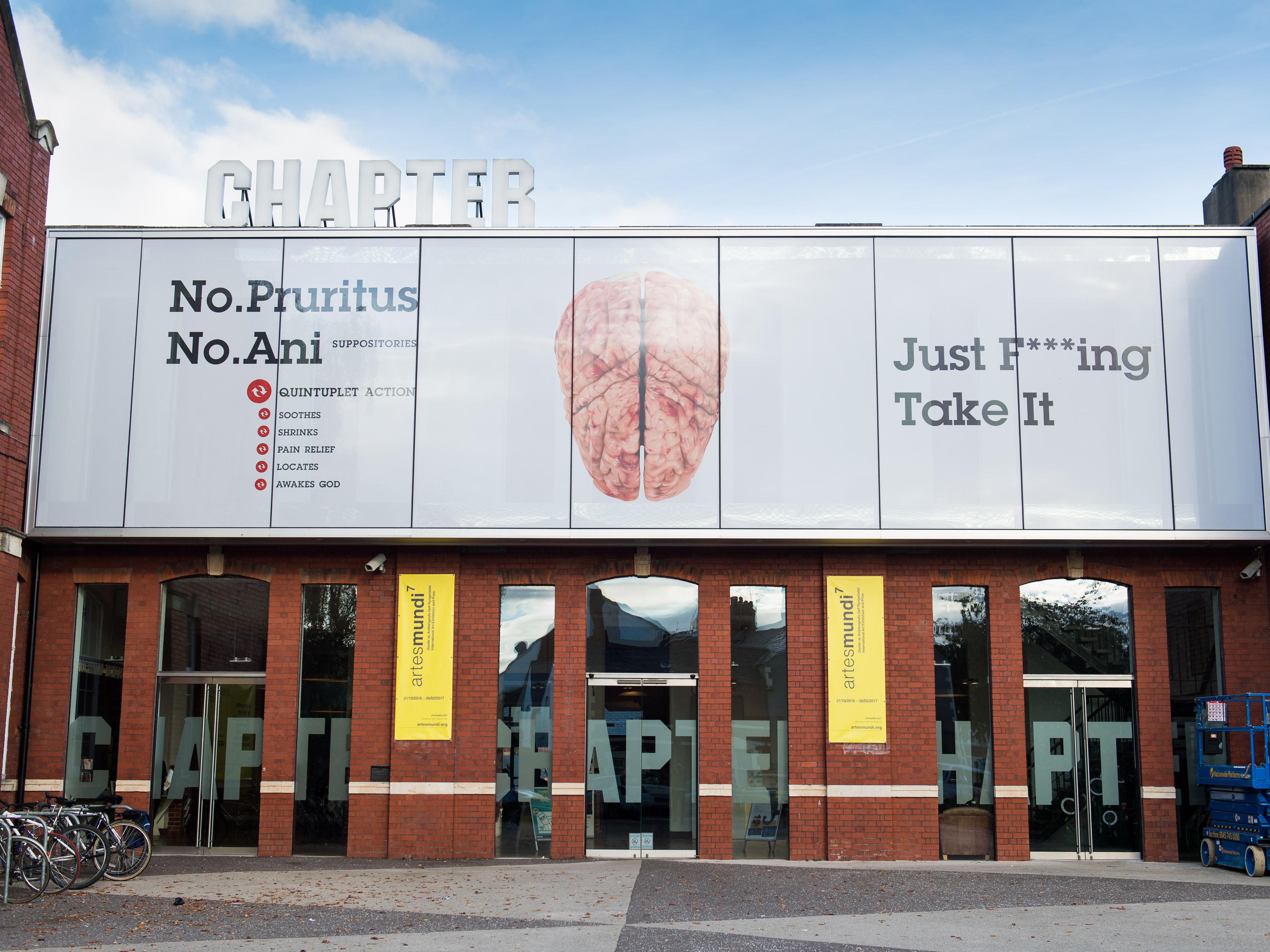
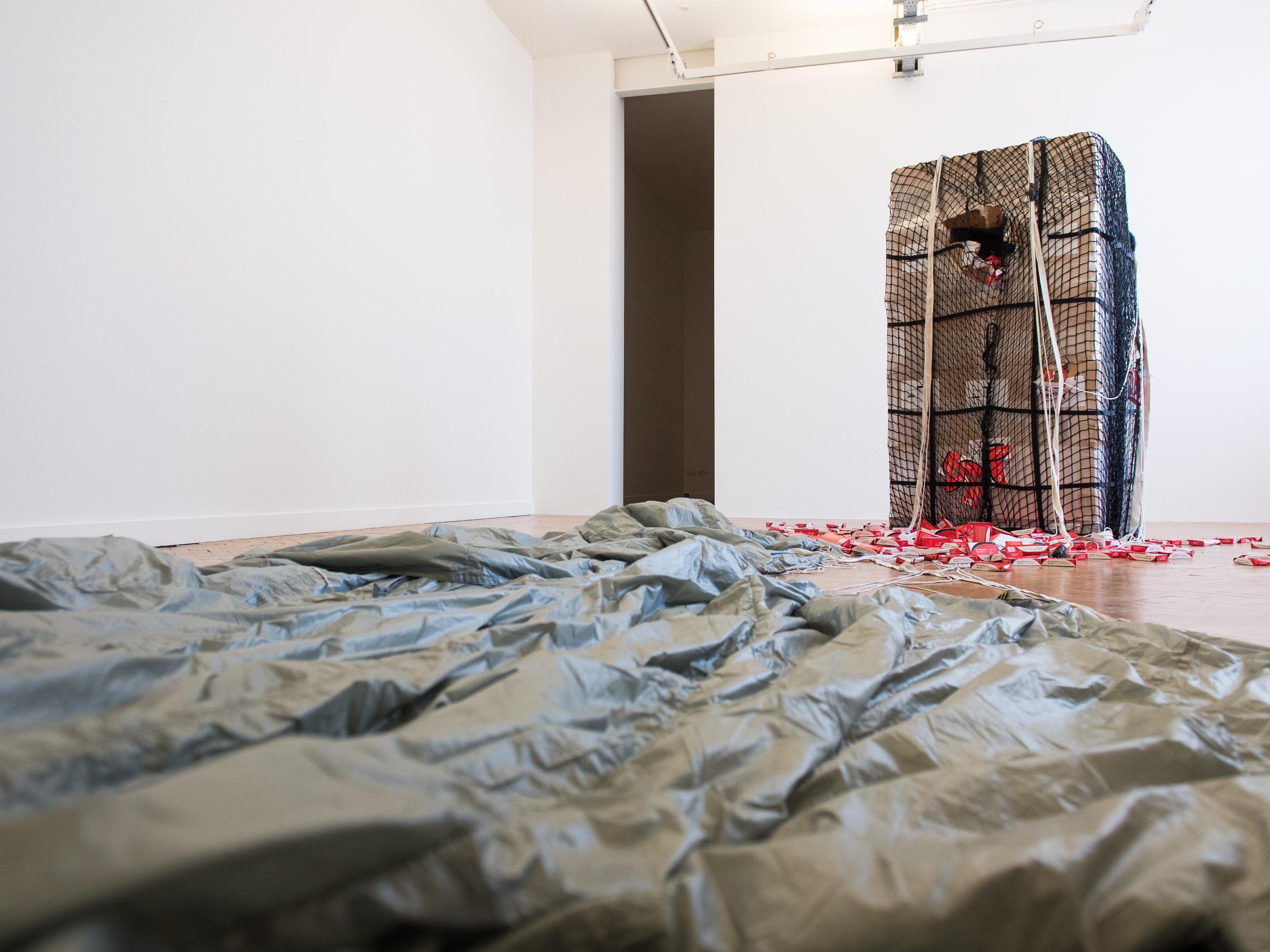
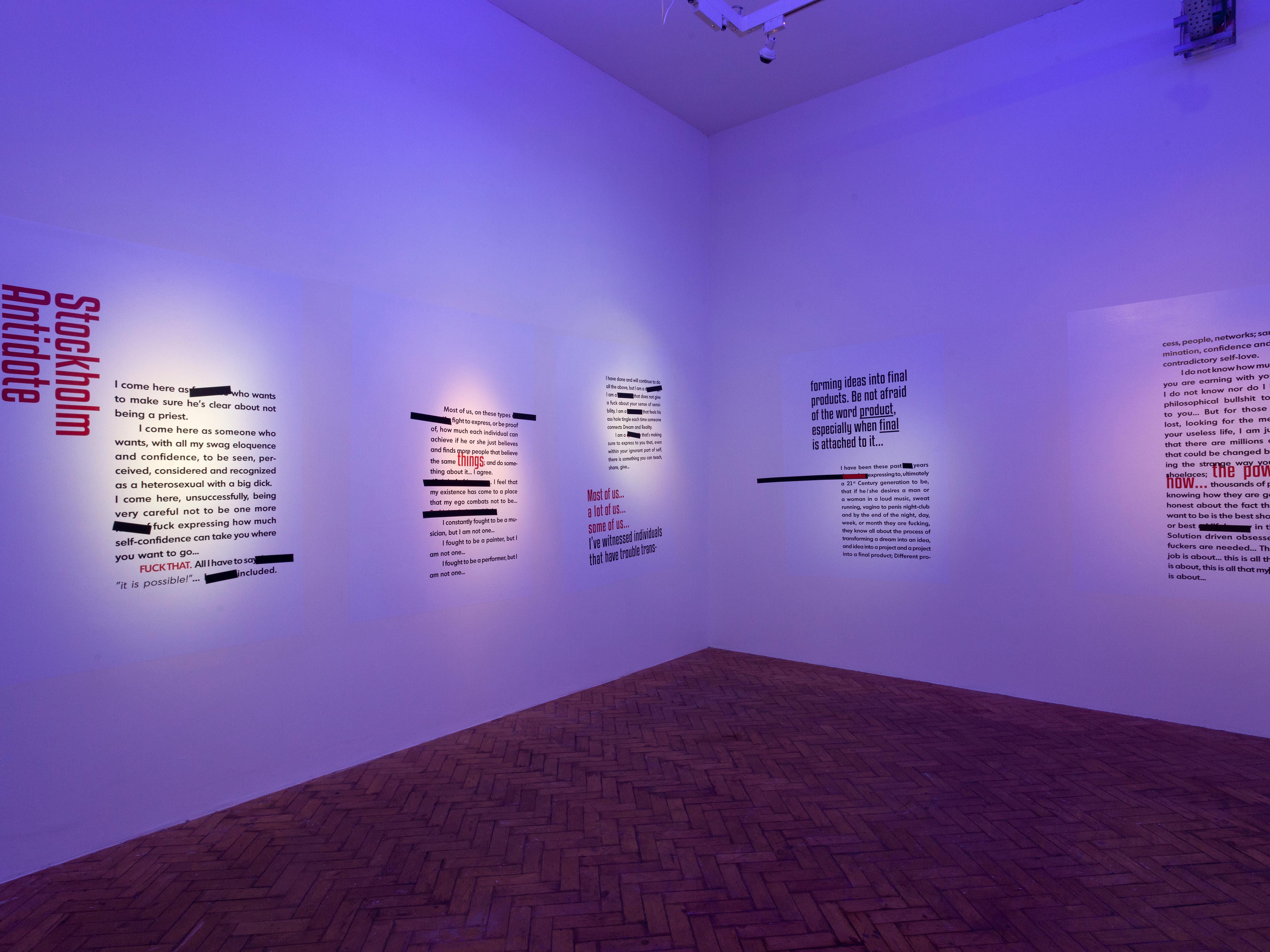
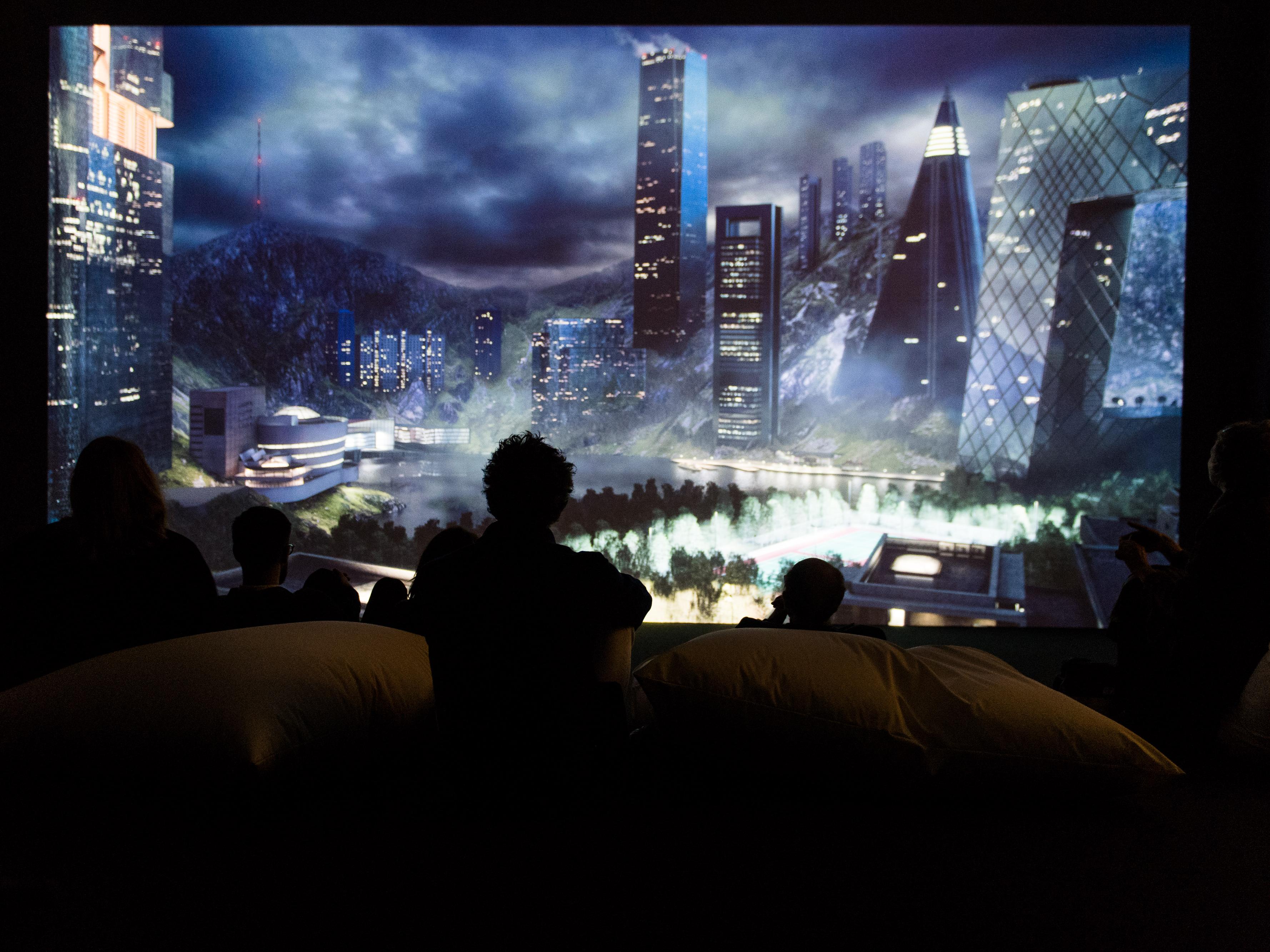
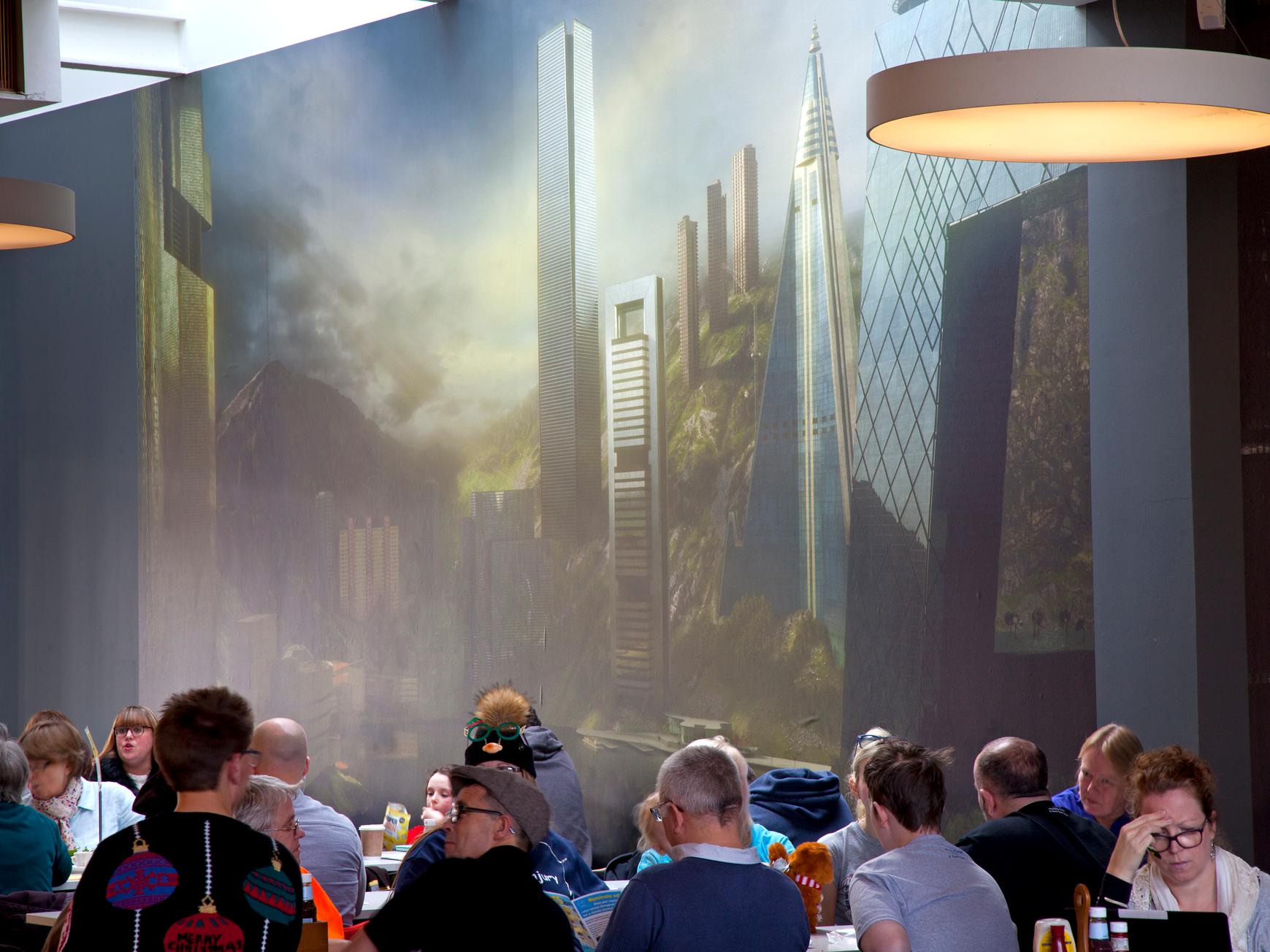
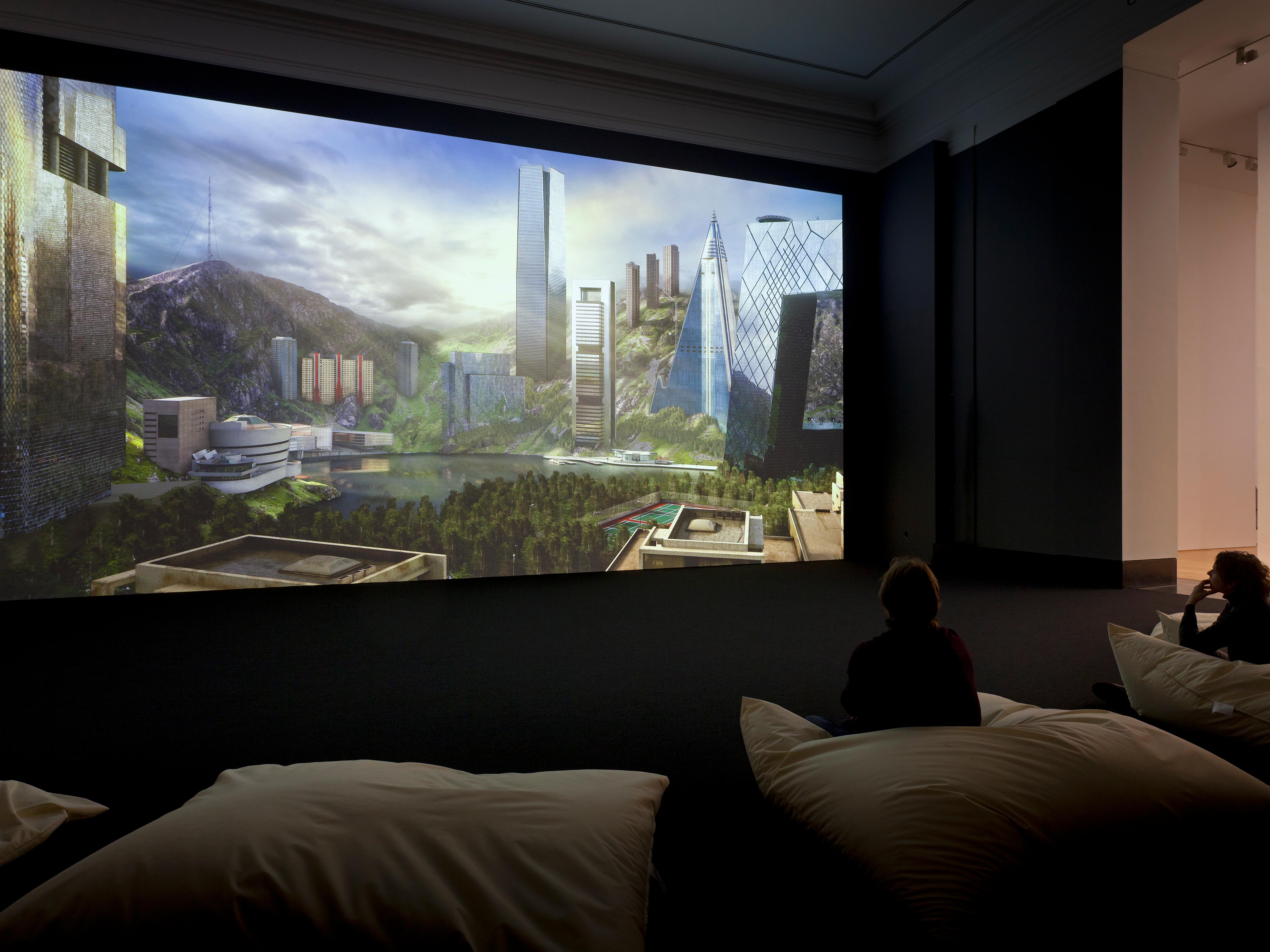
Artes Mundi 7 included the world premiere of Transitory Suppository: Act #I Another Leader by Nástio Mosquito, in which a despotic leader of a country called Botrovia begins to propose what he sees as fast and practical solutions to world problems and the premiere of Bedwyr Williams’ Tyrrau Mawr (2016) in which he reimagines a mega city in North Wales exploring how these sprawling new cities displace people, communities, histories, creating and destroying in equal measures.
Click here for a 3D visual of the exhibition at the National Museum Cardiff.
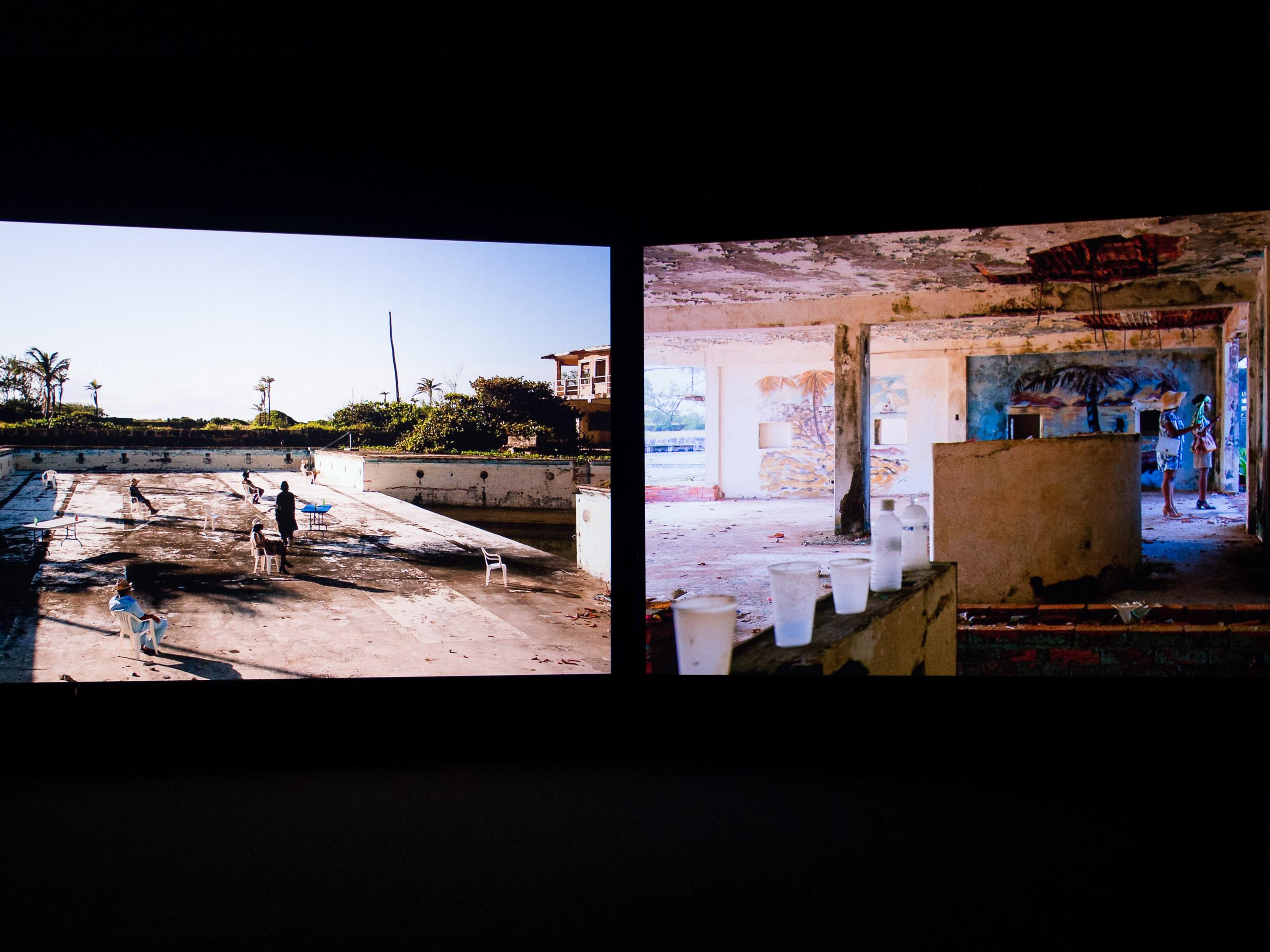
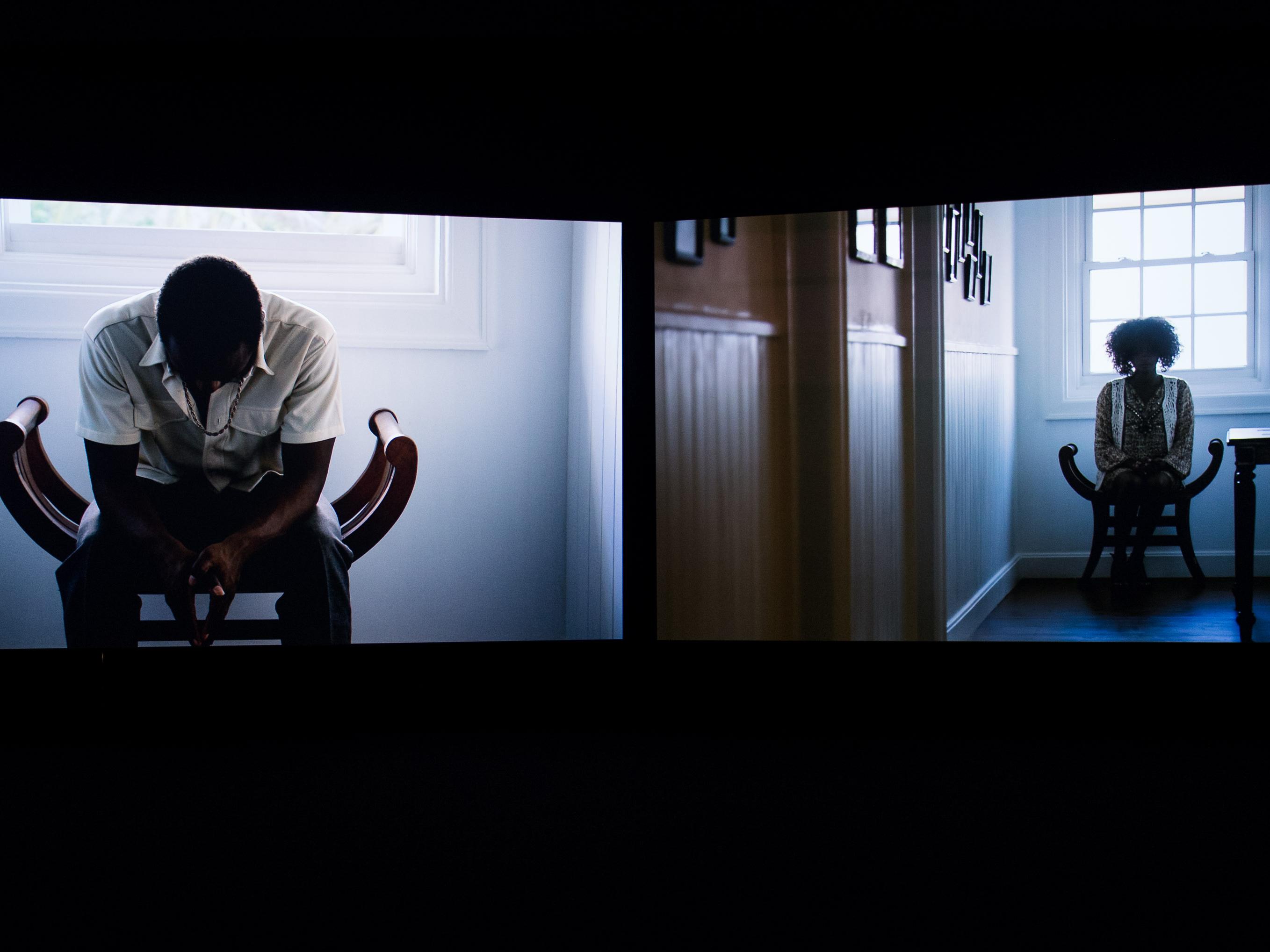
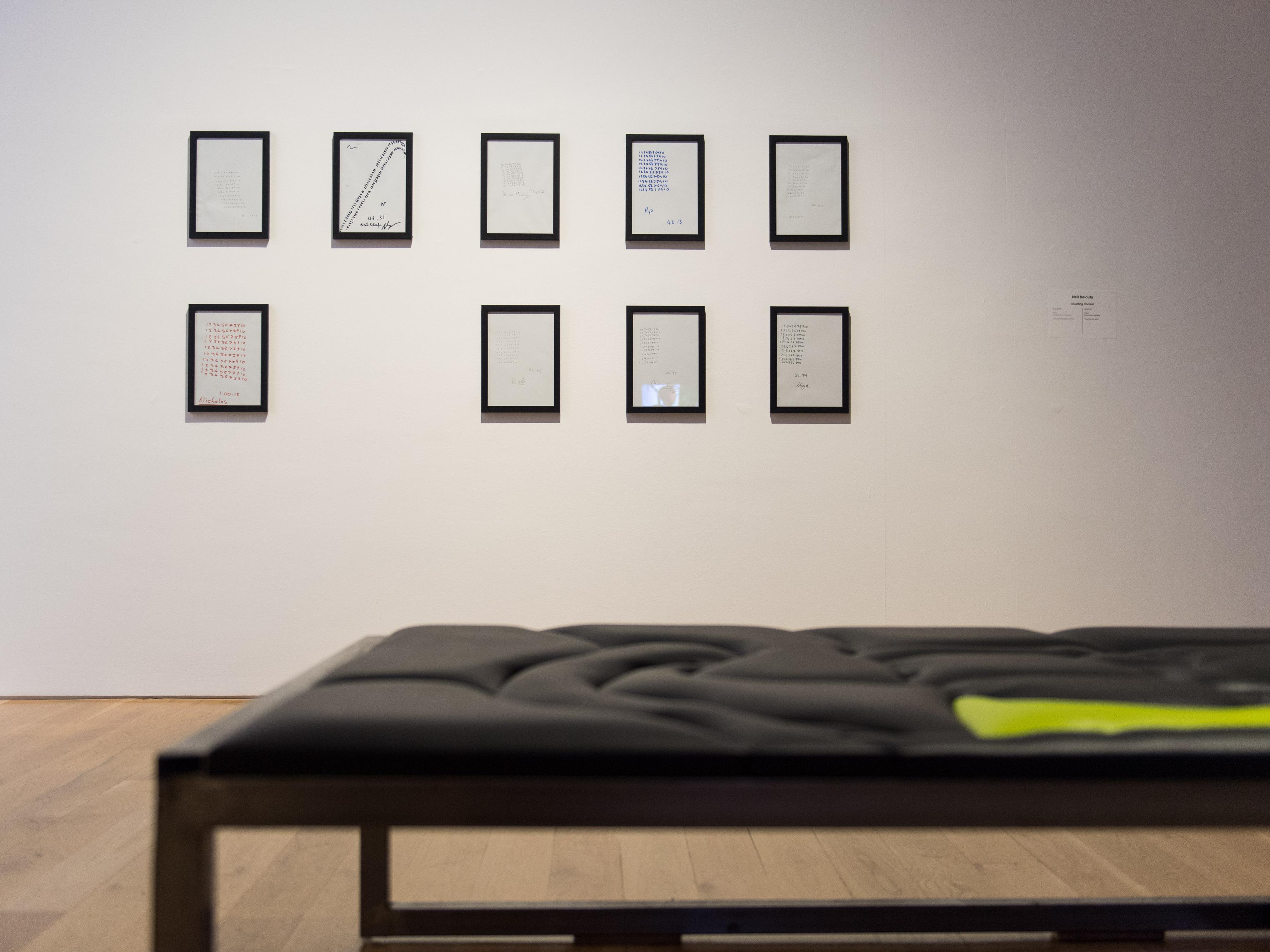
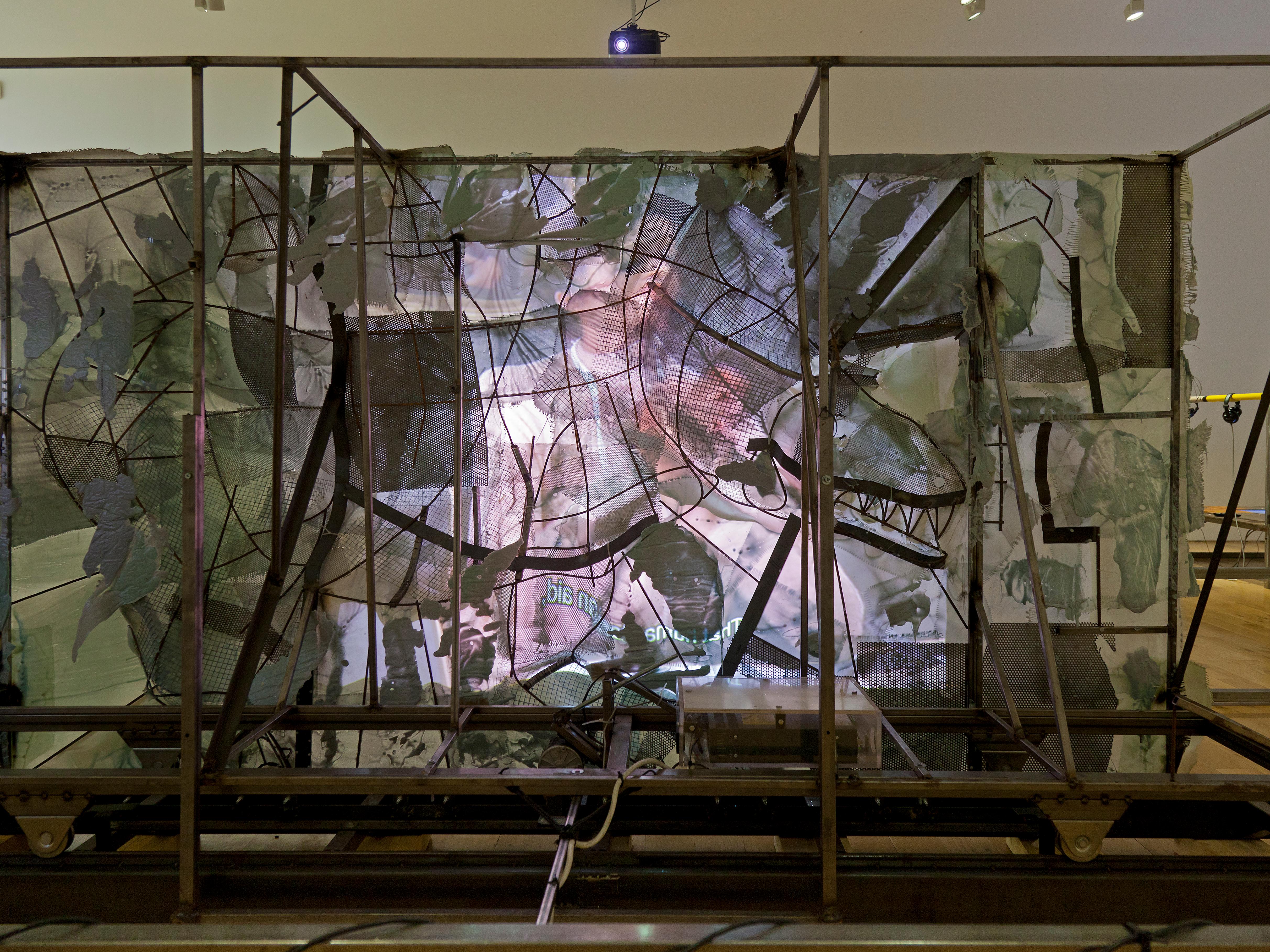
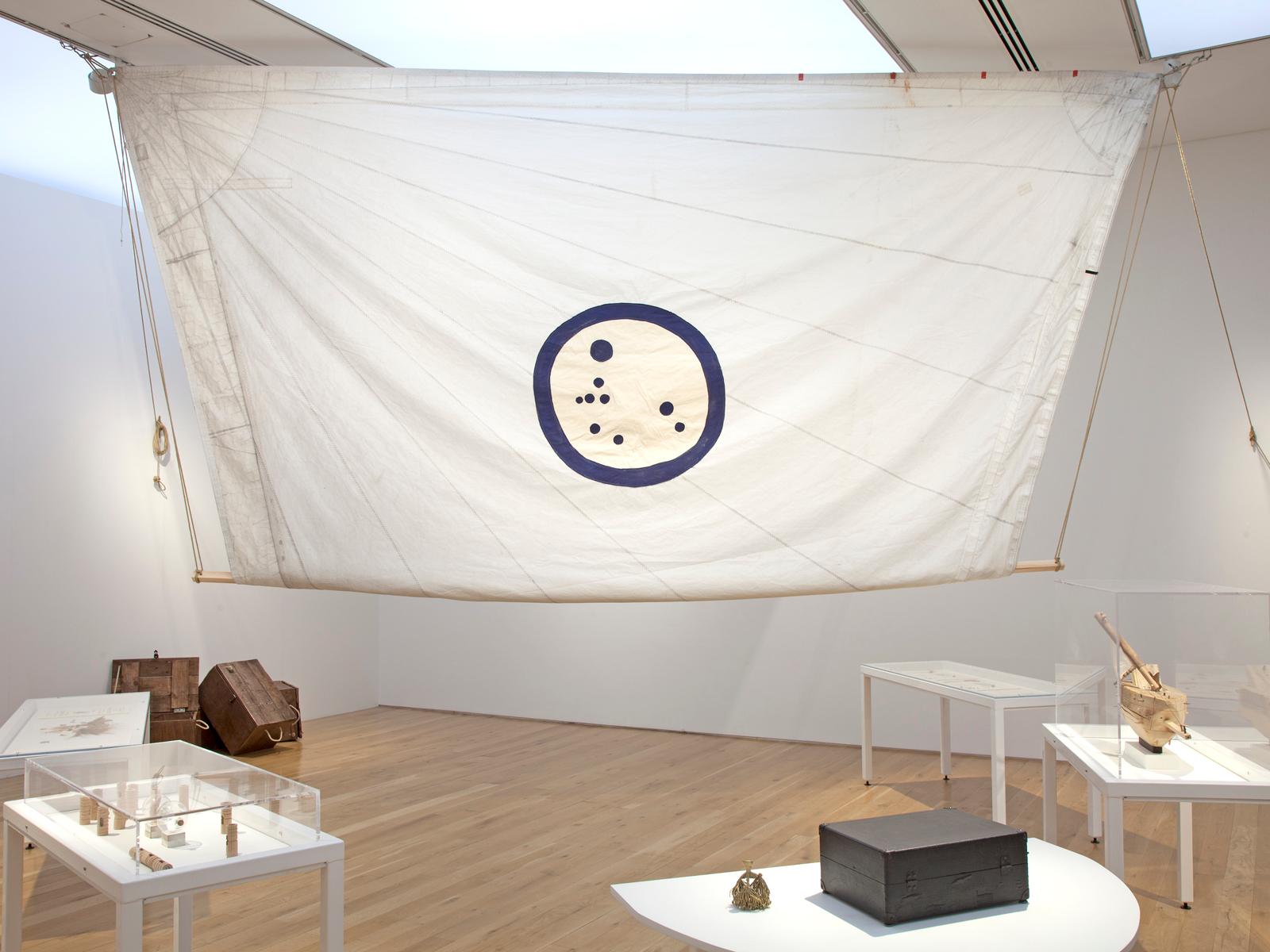
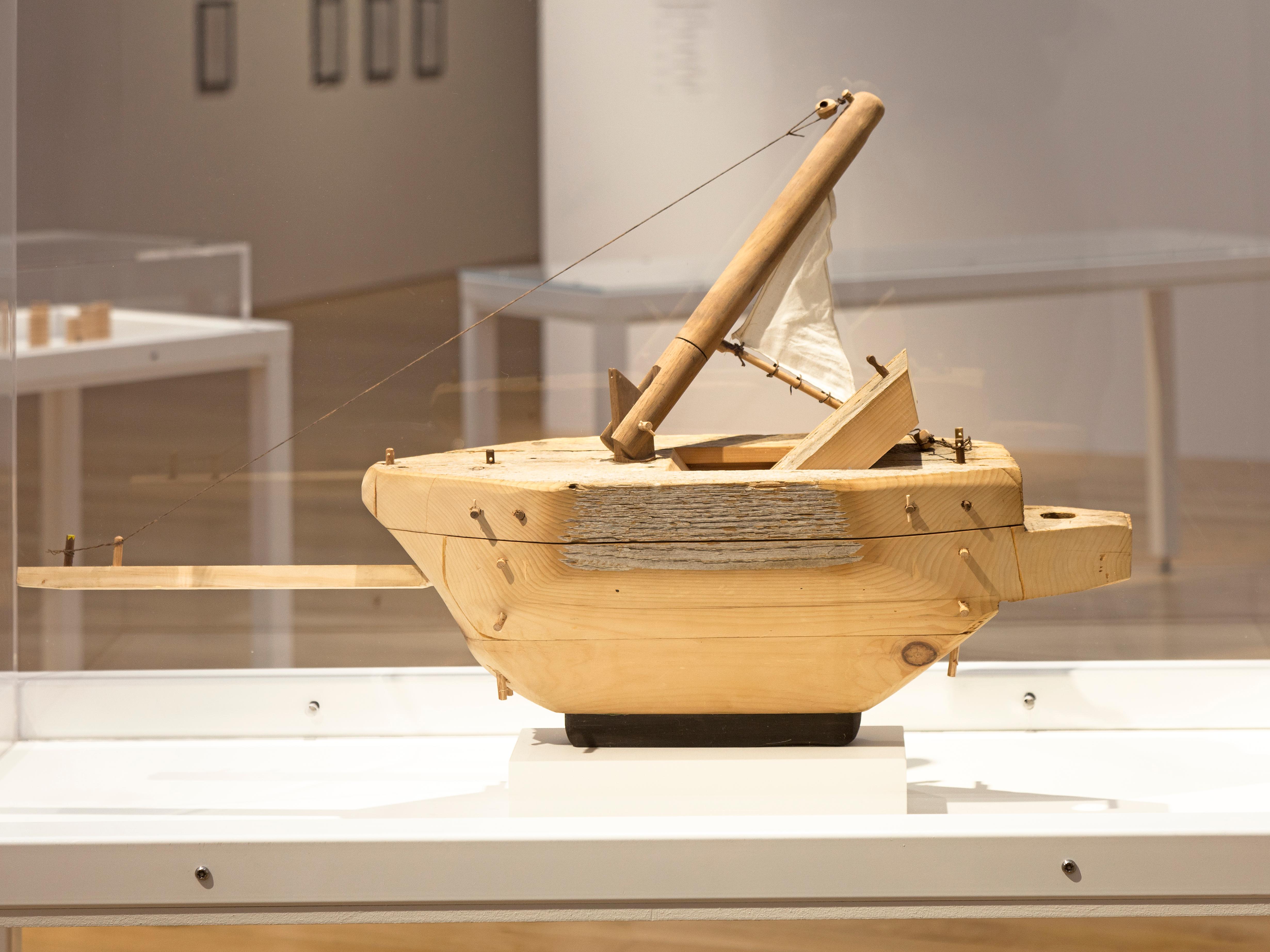
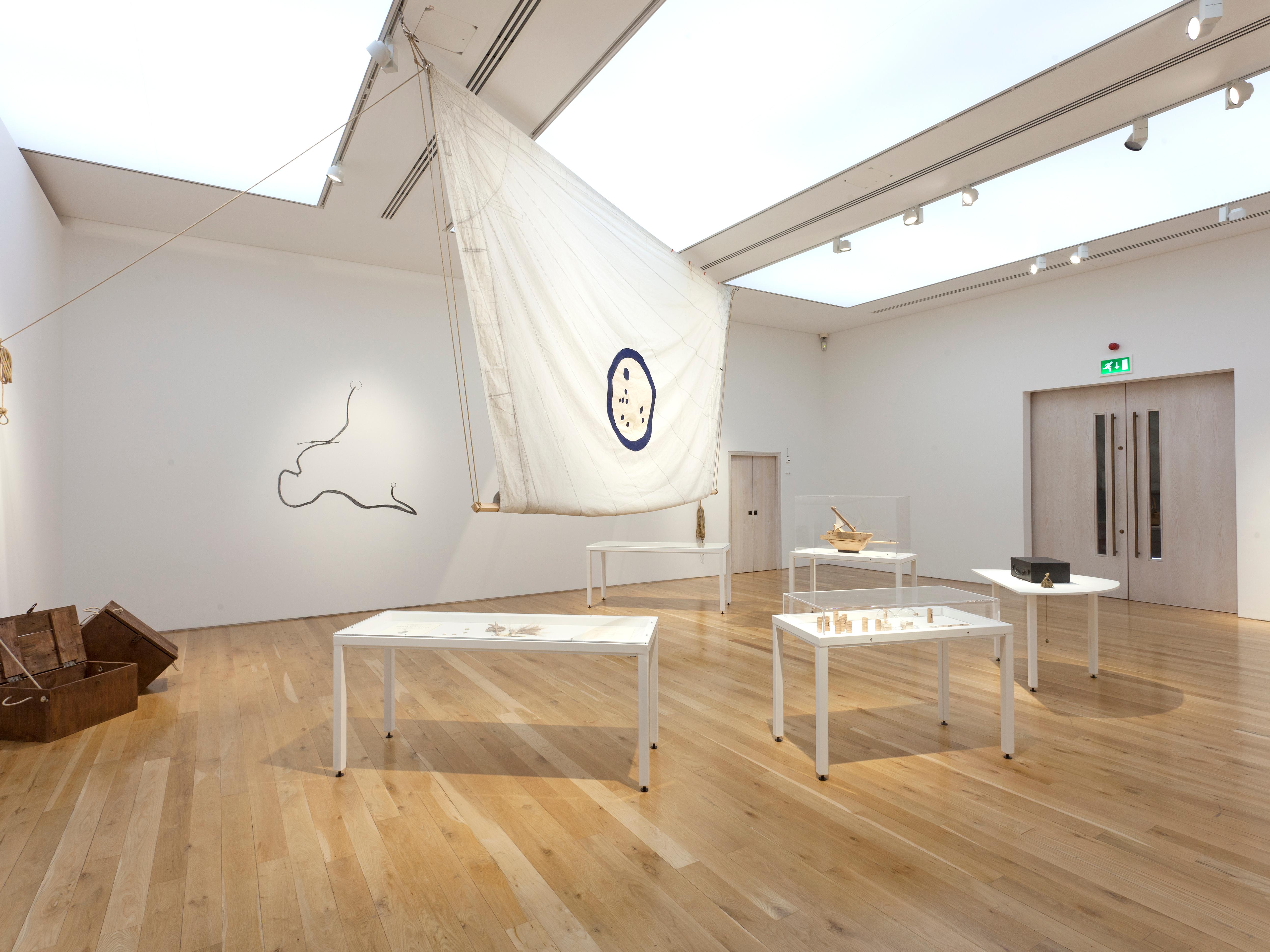
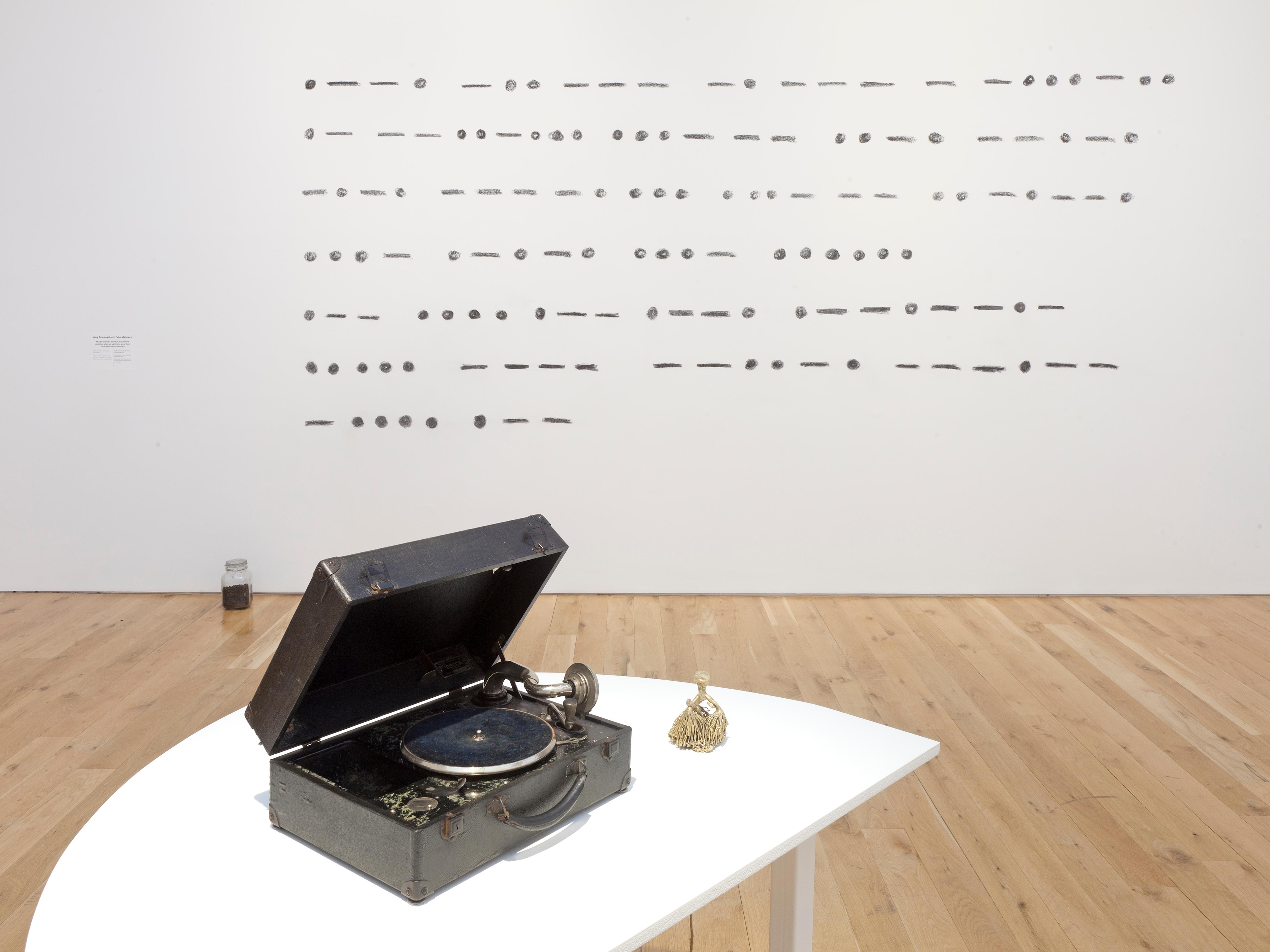
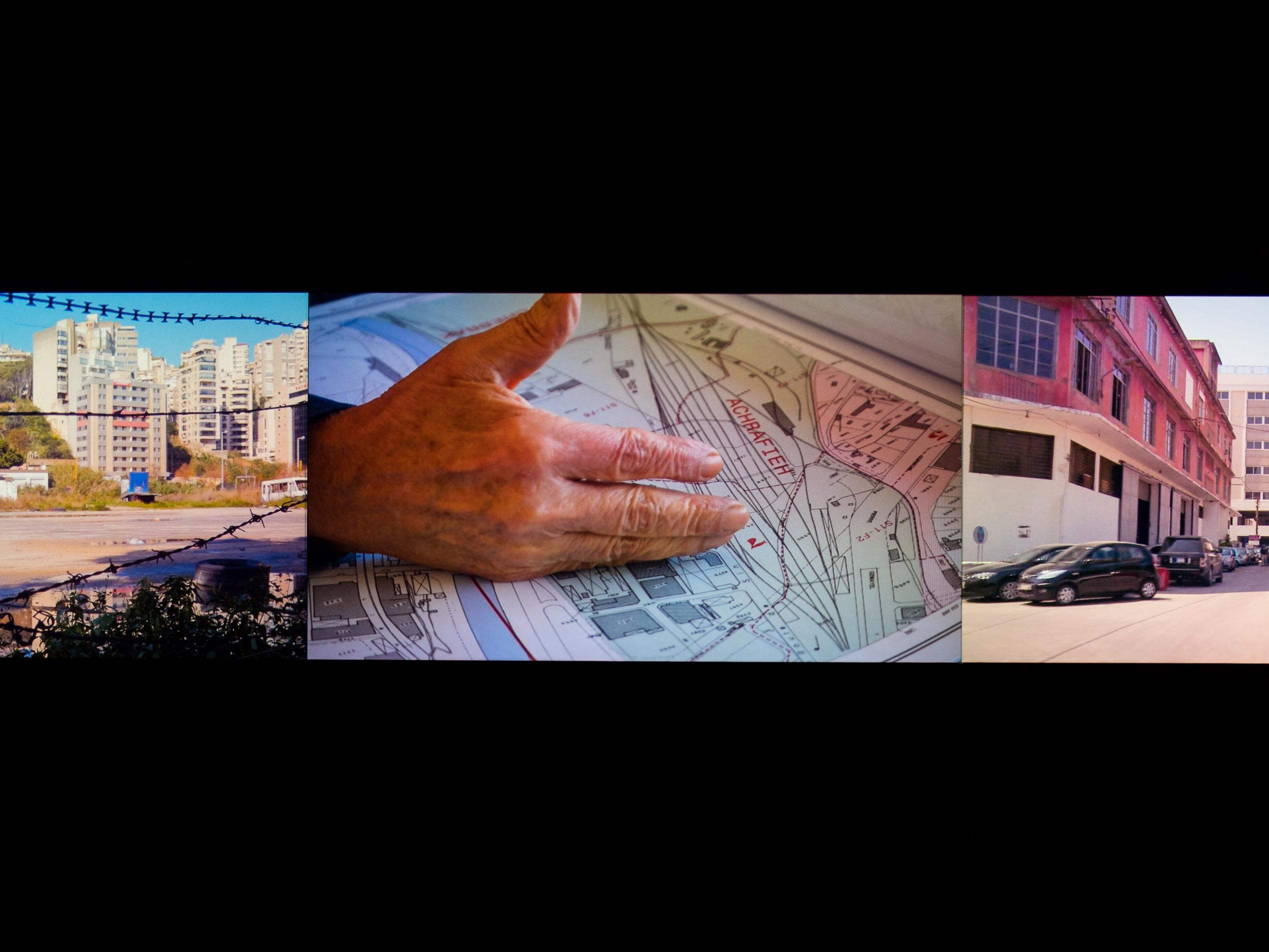
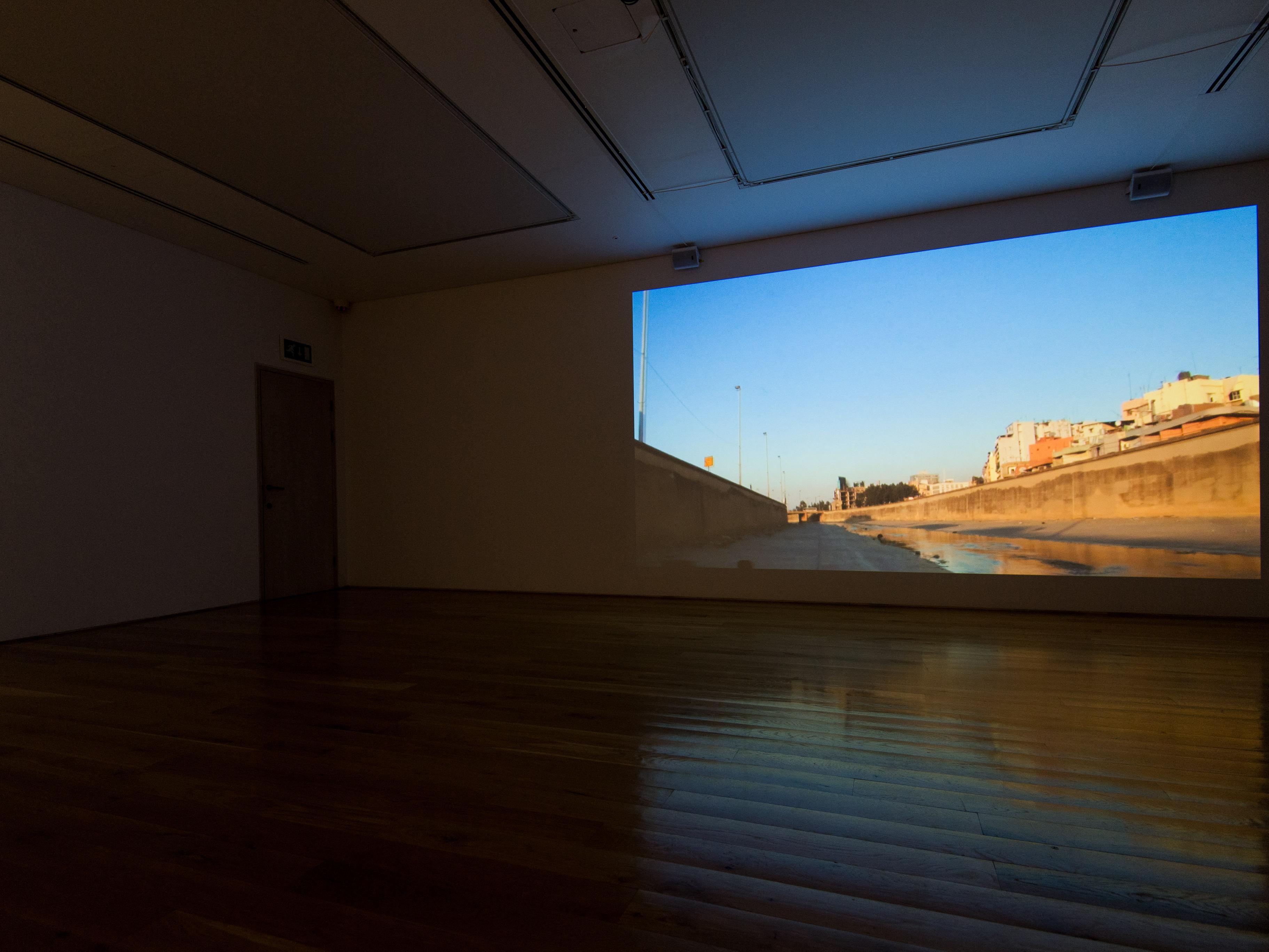
John Akomfrah presented his diptych film Auto da Fé (2016) which uses the aesthetics of a period drama to consider the historical and contemporary causes of migration, focusing on religious persecution as a major cause of global displacement. Lamia Joreige’s Under-Writing Beirut explores Lebanon’s complex history of conflict and how Beirut’s past and present continues to affect the city and its people. Amy Franceschini travelled to Cardiff from Oslo by boat retracing the migratory journey of seeds, to explore the politics of food production and the countries that our foods originate from. Neïl Beloufa presented a series of films including Monopoly (2016) where a group of Ukrainian teenagers to play Monopoly. The playfulness of this work belies the seriousness of the issues it takes on, questioning politics and power structures.
Jurors
Nick Aikens
Curator, Van Abbemuseum, EindhovenRead more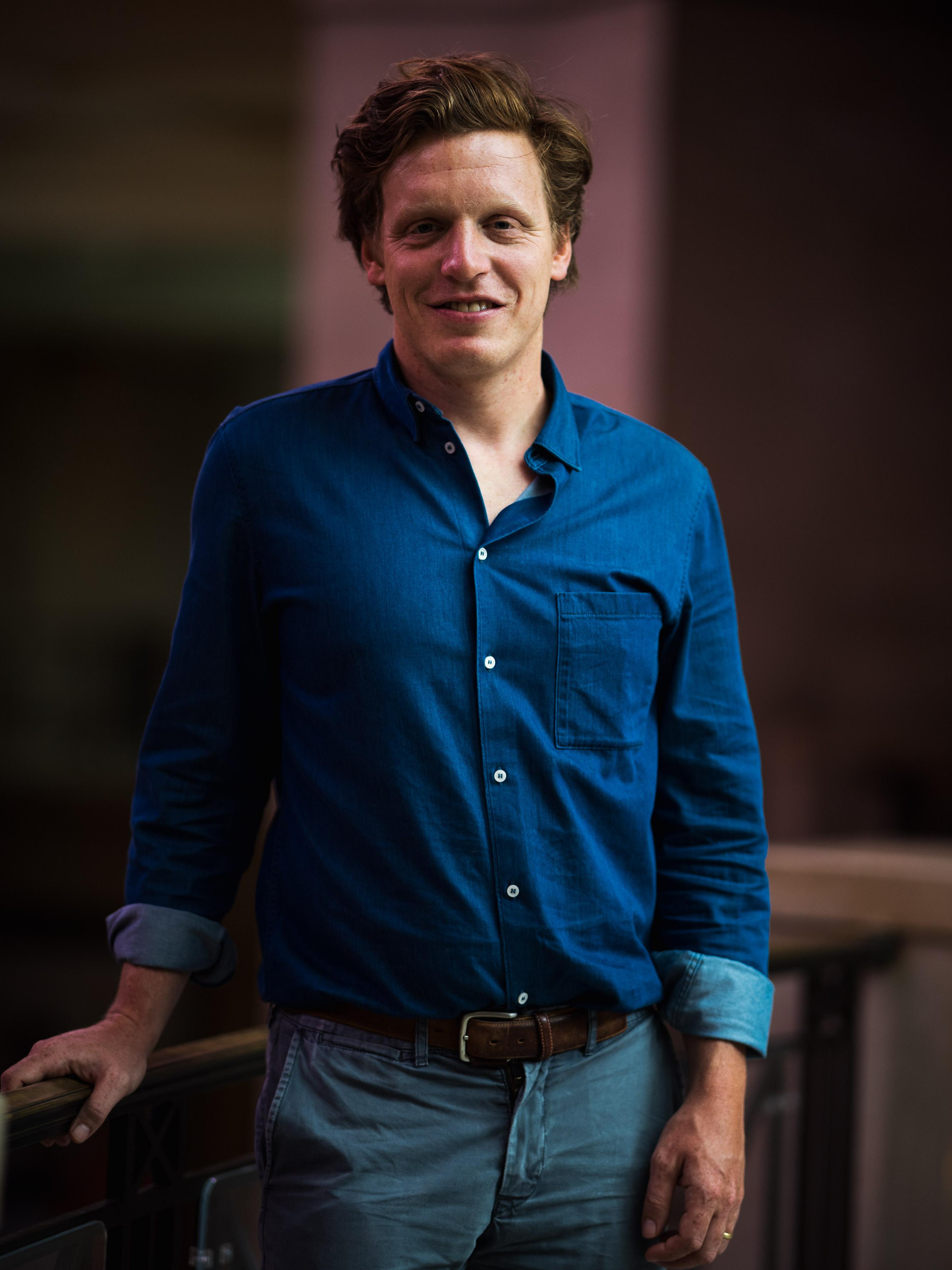
Oliver Basciano
Editor (International) at ArtReview and ArtReview AsiaRead more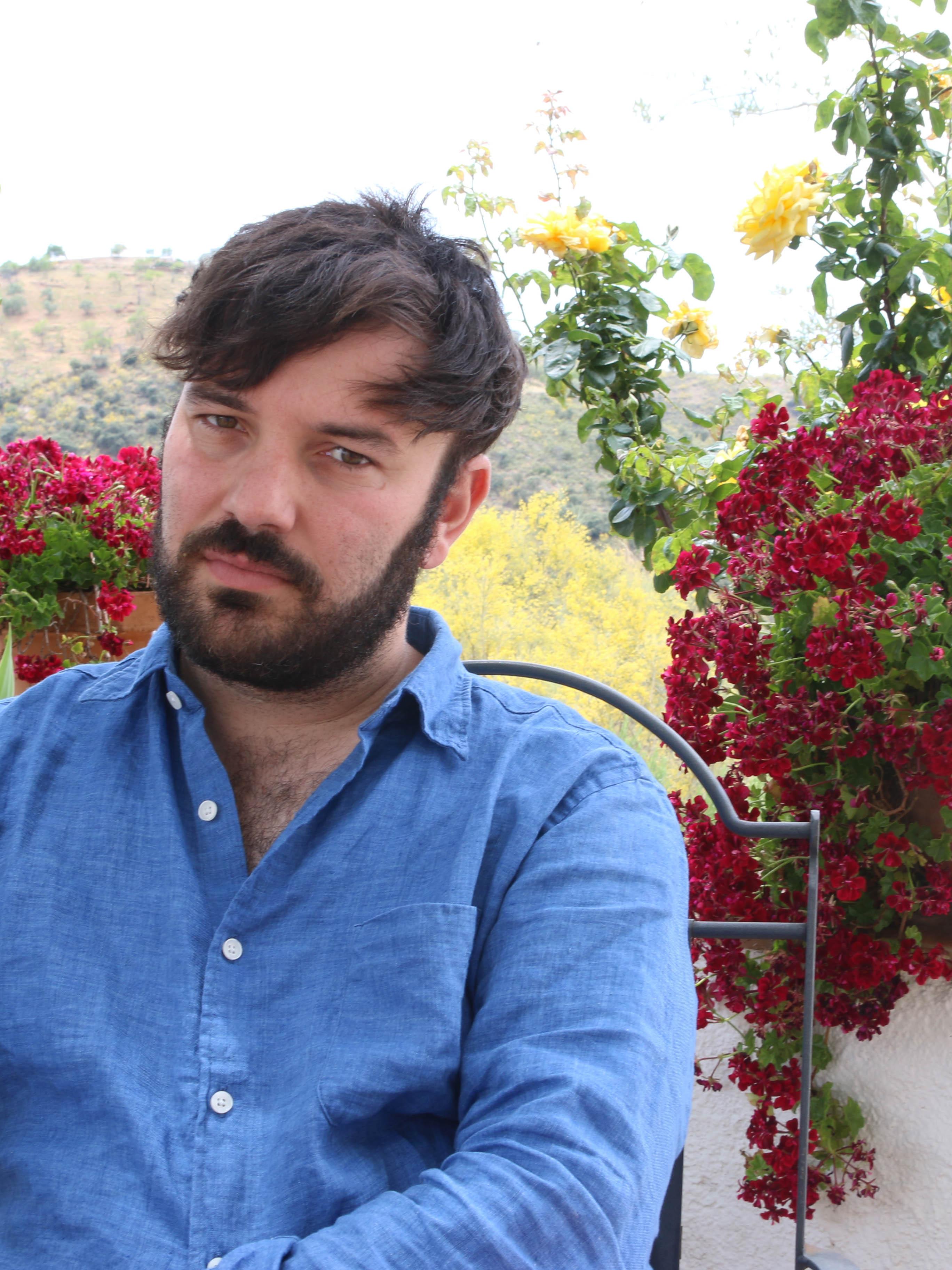
Carolyn Christov-Bakargiev
Director, Castello di Rivoli Museo d’Arte Contemporanea and GAM – Galleria Civica d’Arte Moderna e Contemporanea, TorinoRead more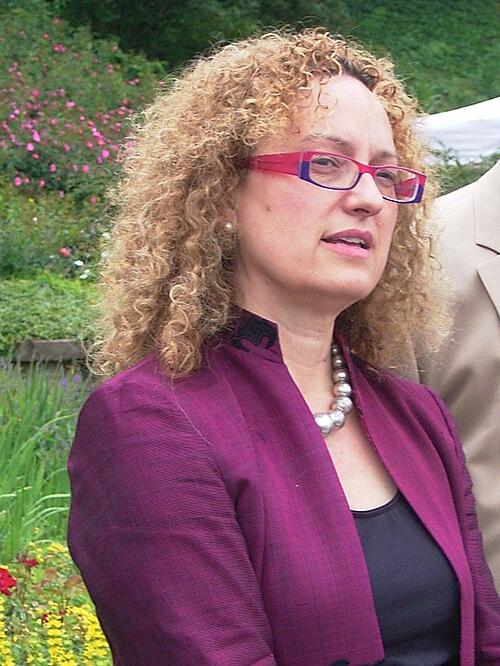 Carolyn Christov-Bakargiev
Phil Collins
ArtistRead more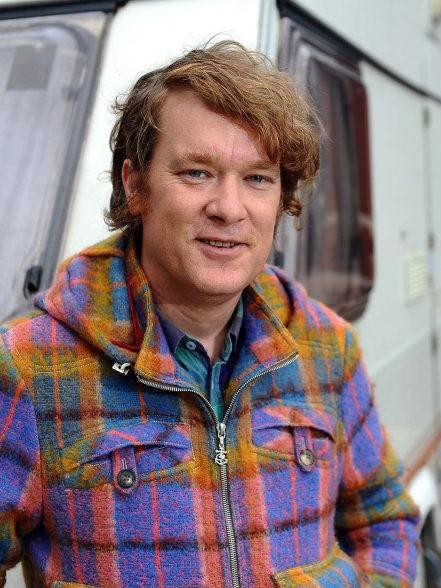 Phil Collins
Elvira Dyangani Ose
Lecturer, Visual Cultures, Goldsmiths; Independent Curator; Member of the Thought Council, Fondazione Prada; Director, The Showroom, London (2021)Read more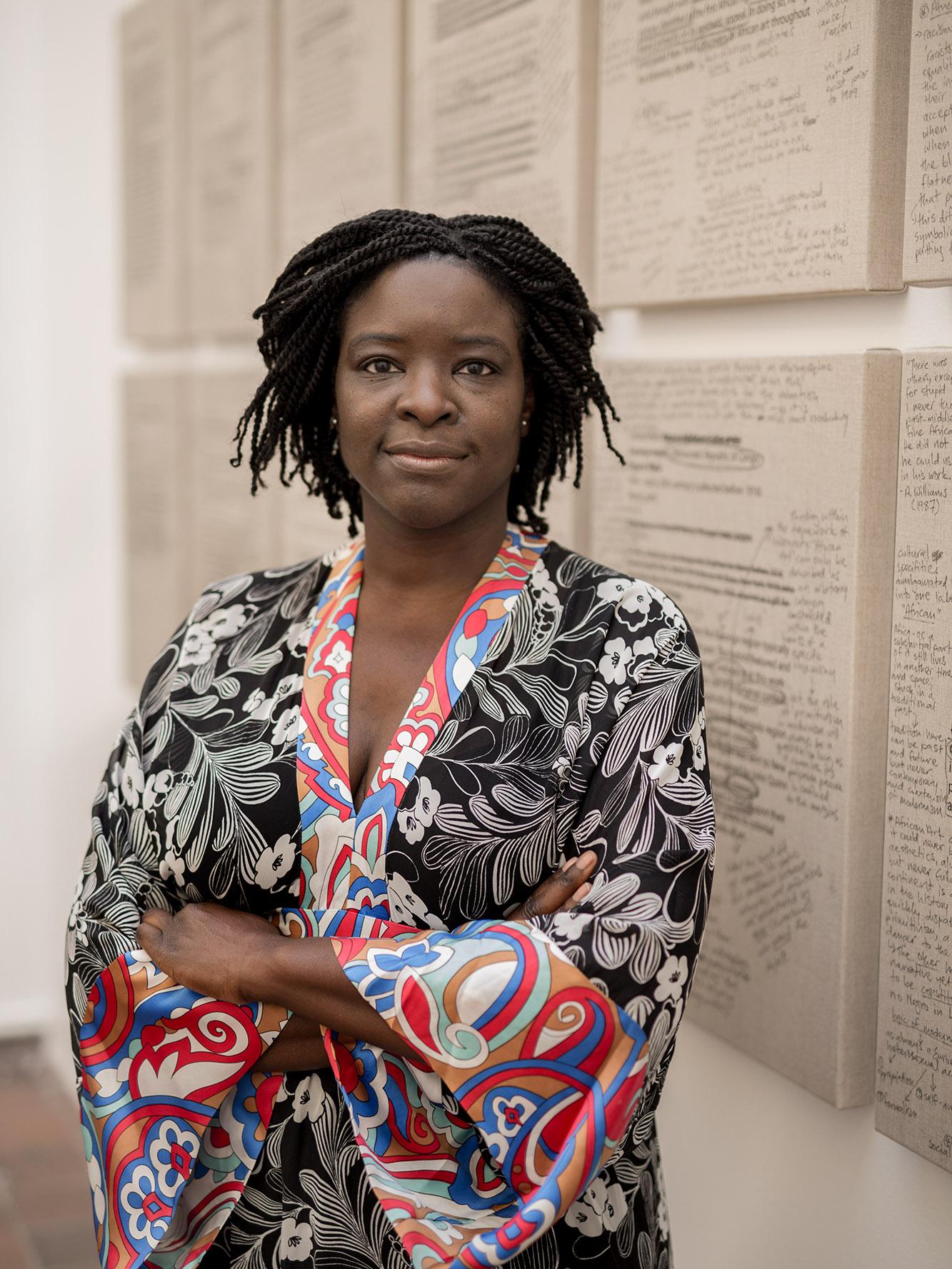 Elvira Dyangani Ose
Ann Jones
Curator at the Arts Council Collection at the Southbank Centre in London.Read more
Selectors


Artists
John AkomfrahArtes Mundi Prize Winner
The winner of the Artes Mundi 7 Prize was UK artist John Akomfrah.Ghanian born Akomfrah is a seminal figure in Black British Cinema and forerunner in digital cinematography. For 30 years the artist, director, writer and theorist has been highlighting the legacy of African diaspora in Europe by creating films that explore marginalised histories of European society. His body of work is considered one of the most distinctive and innovative in contemporary Britain.Read more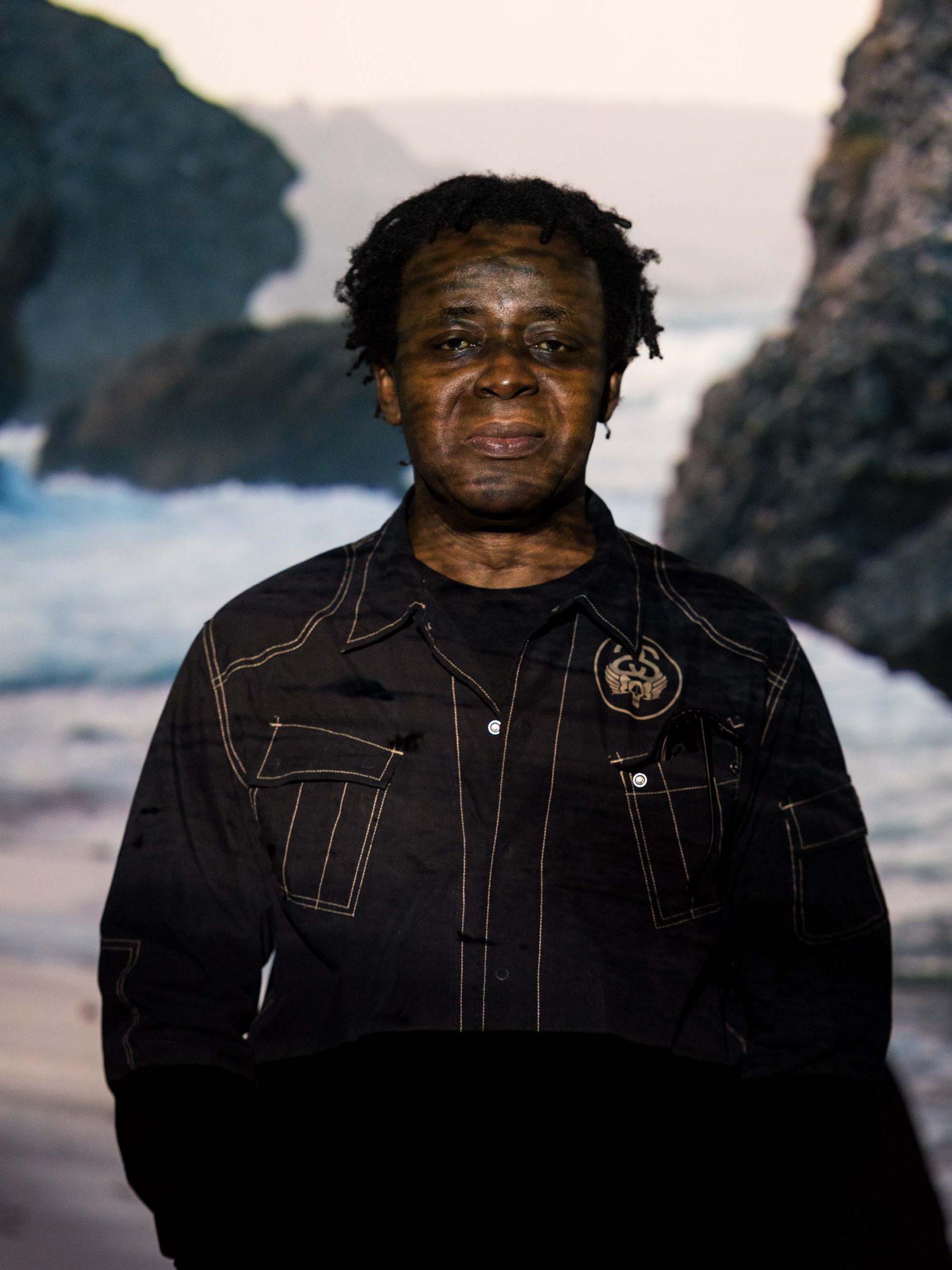 John Akomfrah
Neil Beloufa
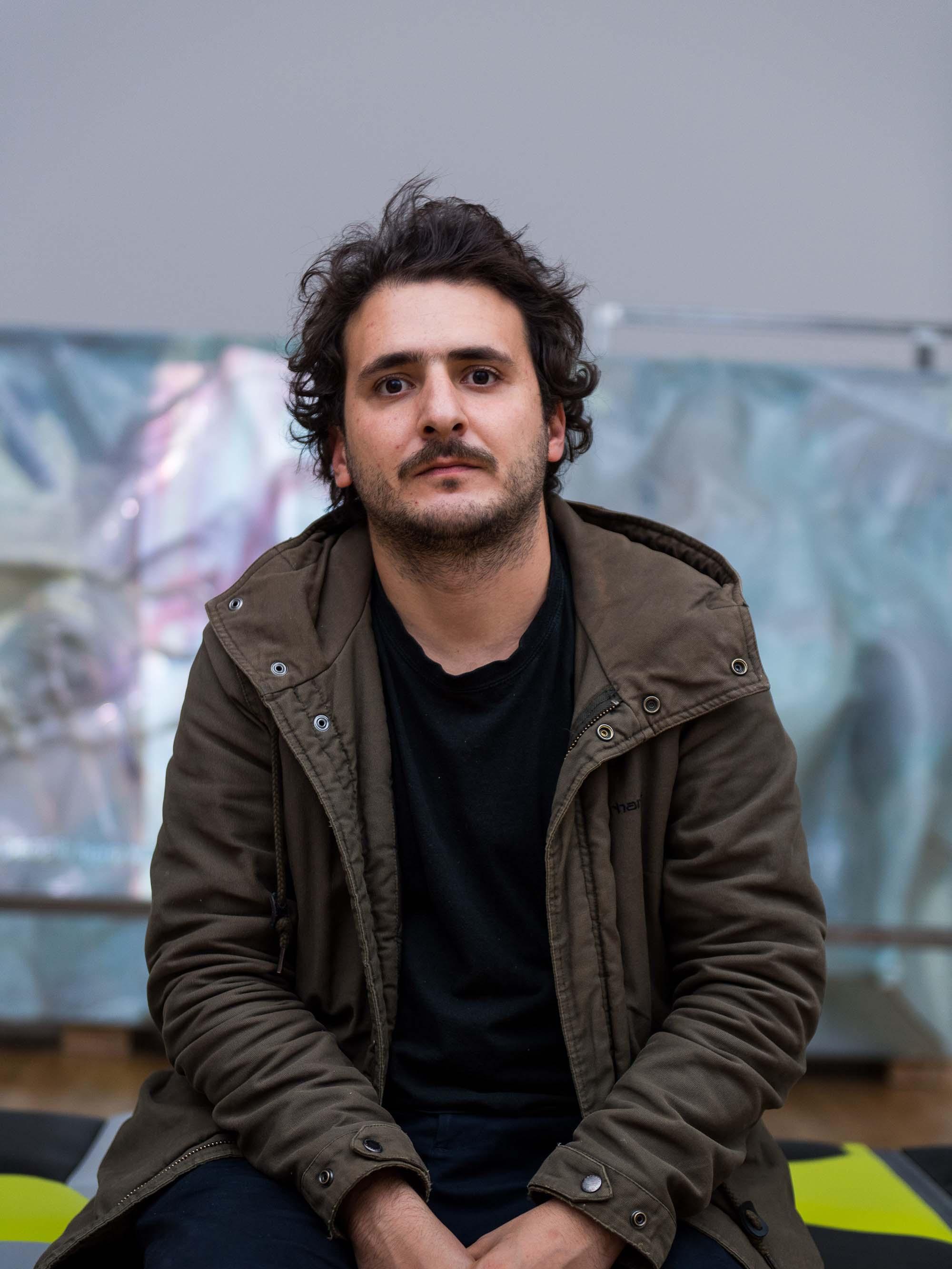 Neil Beloufa
Amy Franceshini
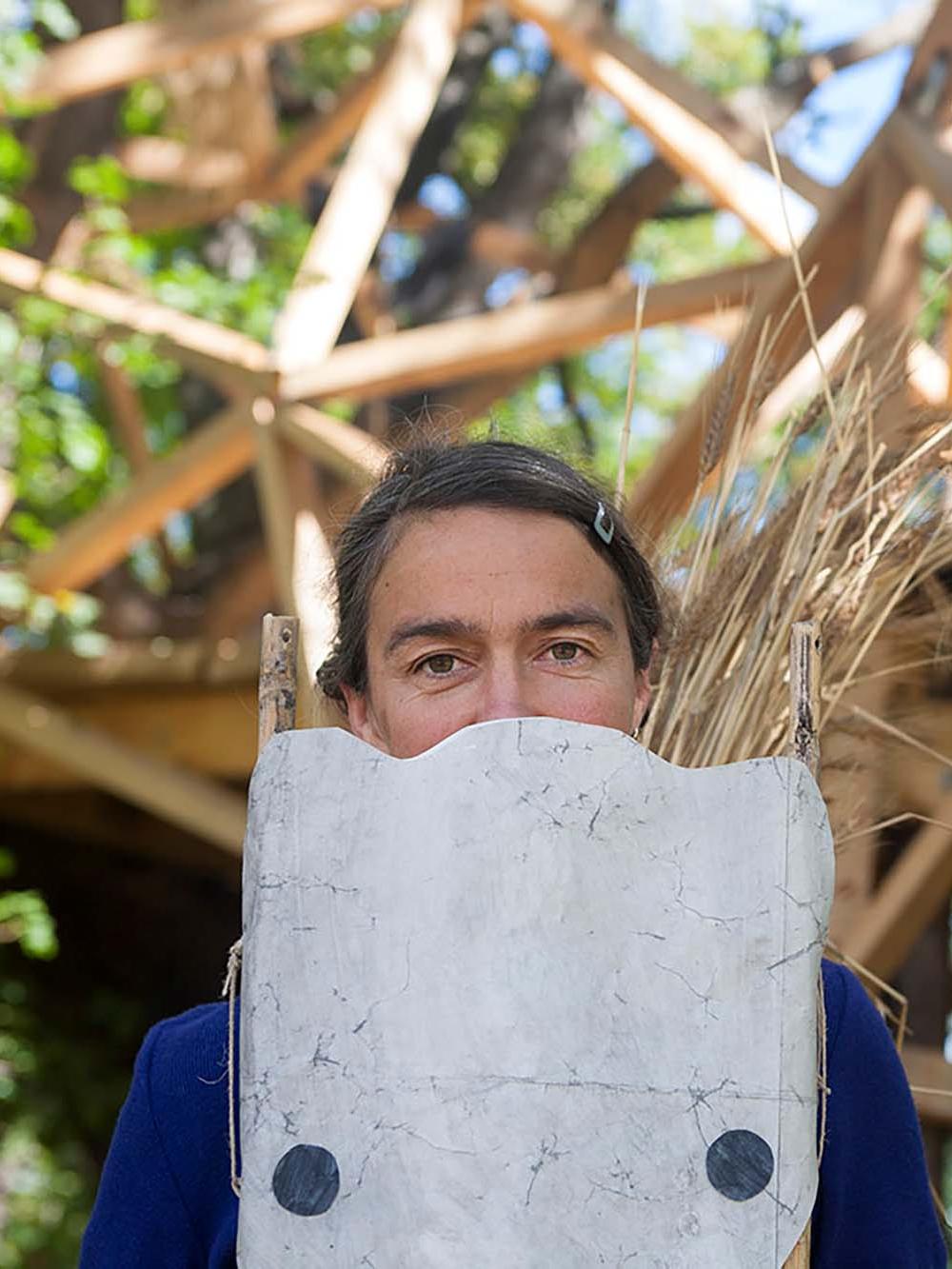 Amy Franceshini
Lamia Joriege
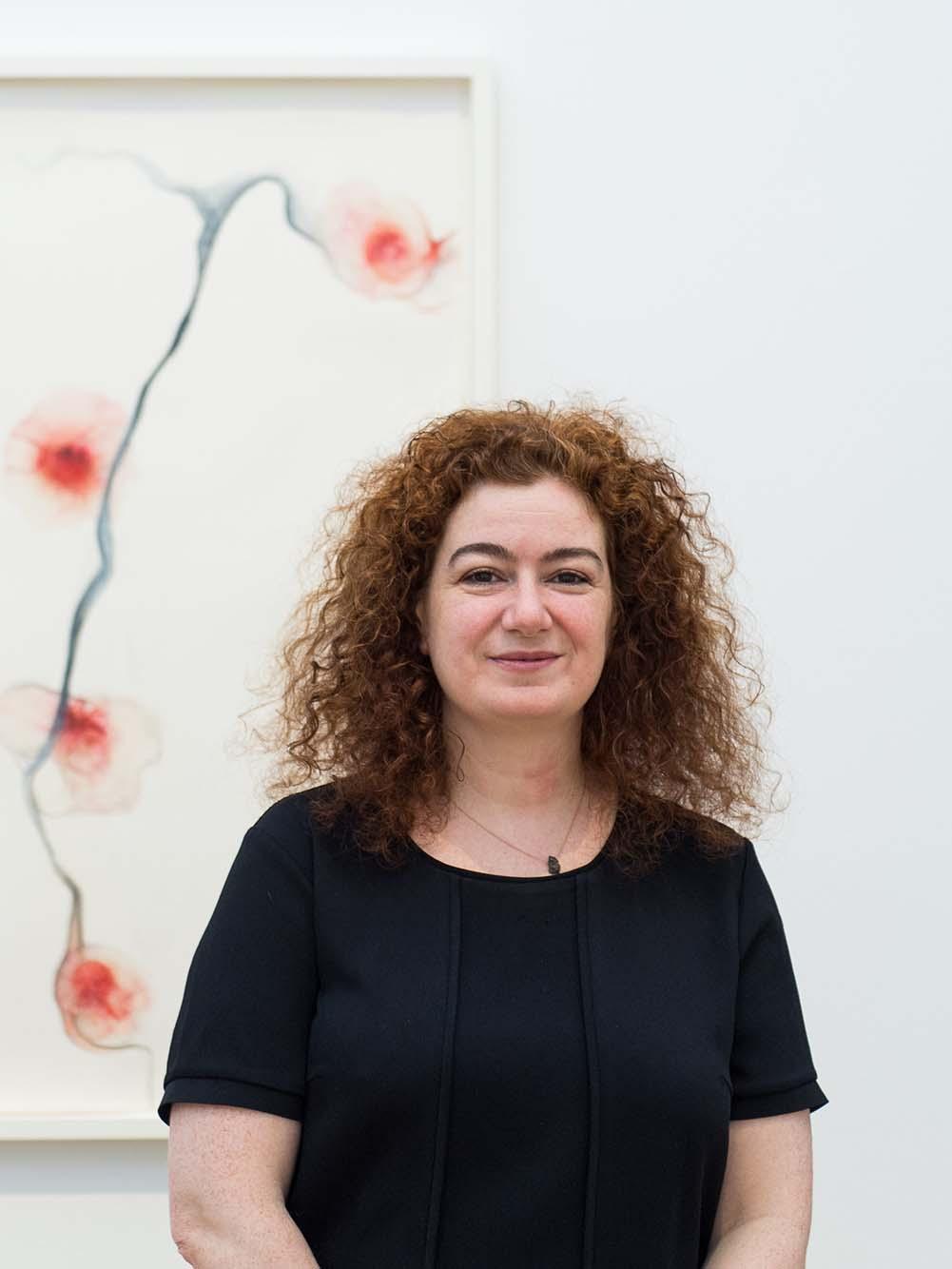 Lamia Joriege
Nástio Mosquito
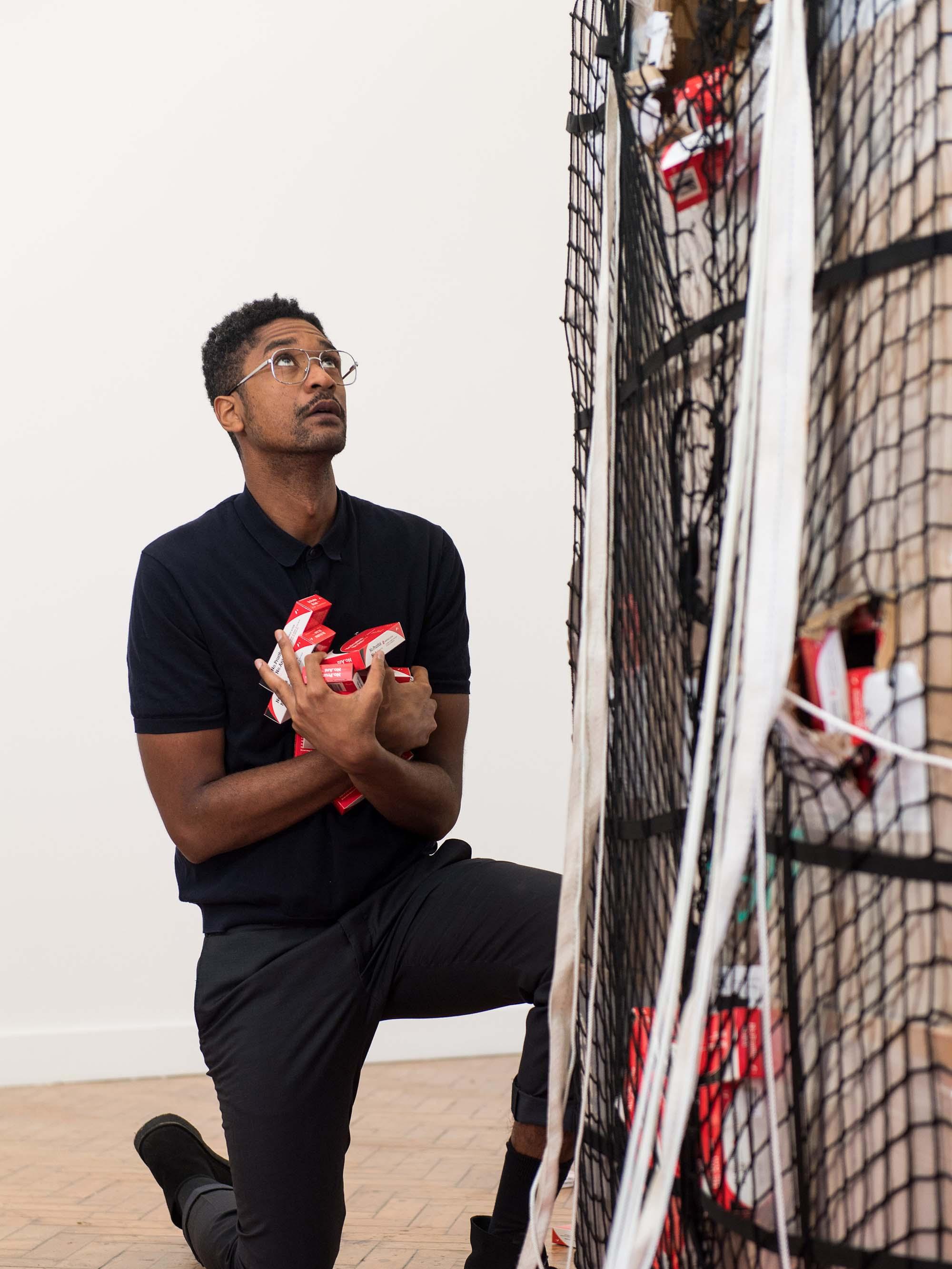 Nástio Mosquito
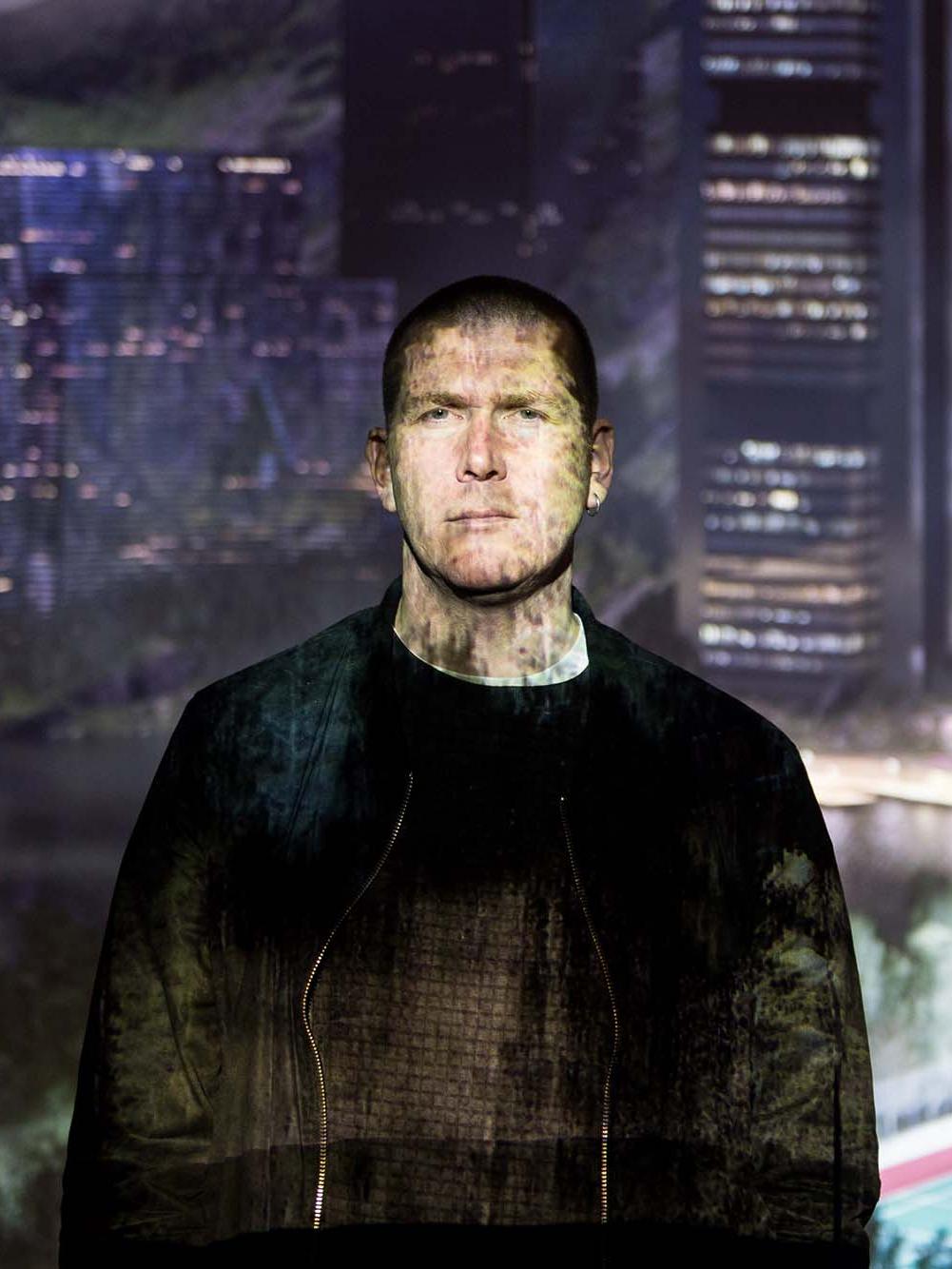
Bedwyr WilliamsDerek Williams Trust Artes Mundi Purchase Prize Winner
 Bedwyr Williams
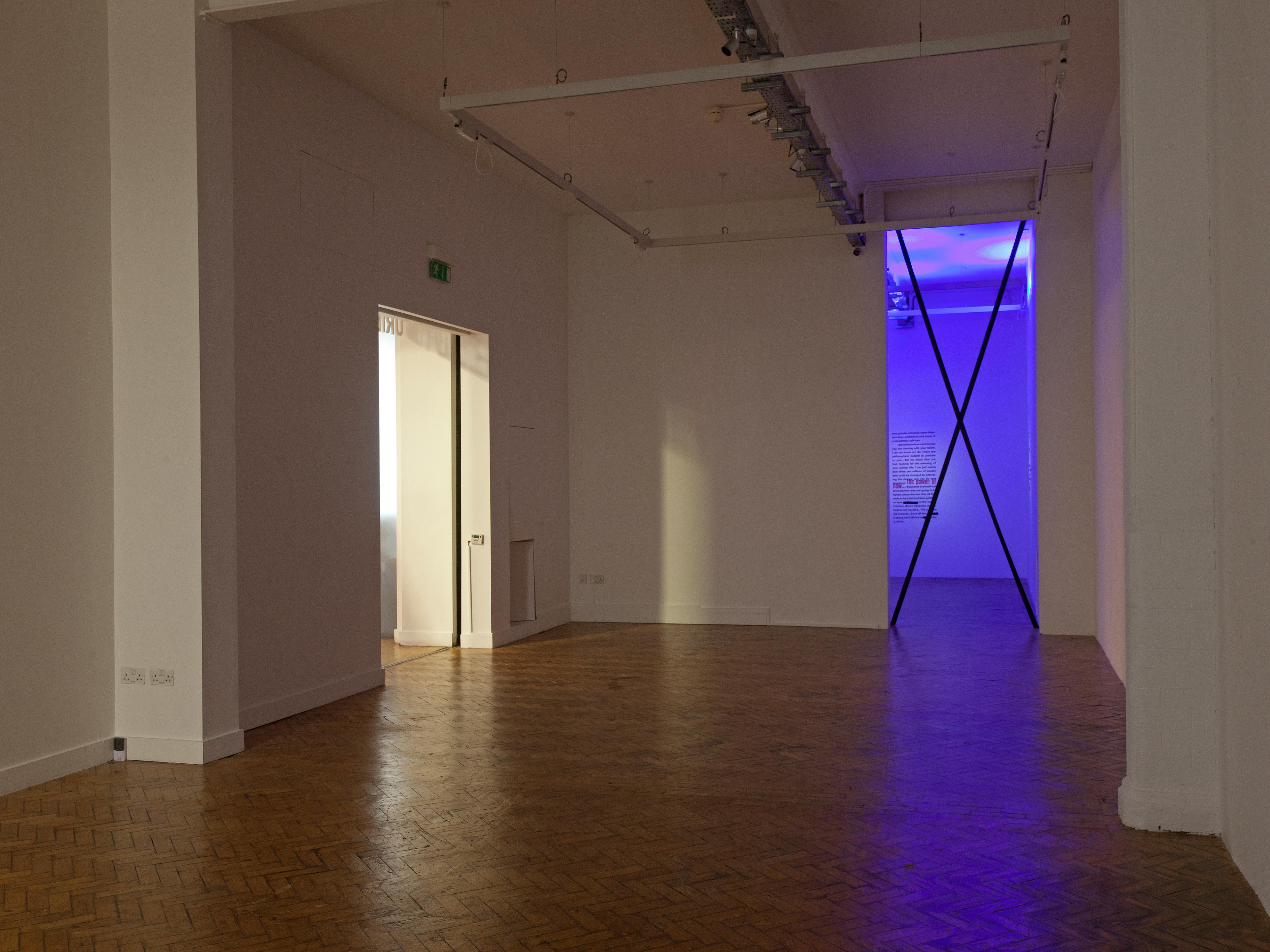
Installation images

Prize
The winner of the Artes Mundi 7 Prize was UK artist John Akomfrah.
Ghanian born Akomfrah is a seminal figure in Black British Cinema and forerunner in digital cinematography. For 30 years the artist, director, writer and theorist has been highlighting the legacy of African diaspora in Europe by creating films that explore marginalised histories of European society. His body of work is considered one of the most distinctive and innovative in contemporary Britain.